



Preloved is the original rent-a-booth thrift store, offering sellers and thrifters an asynchronous, in-person marketplace.
Preloved is a franchise business, and they come to 97th Floor in preparation for a new location opening.

To prepare, 97th Floor built a persona-focused content strategy, including two weeks of targeted ads and organic post blasts on Facebook and Instagram. The campaign goals included booth bookings and awareness.
To date, the new location has been the #1 best grand opening for preloved both in terms of attendance and sales dollars. The campaign resulted in 21 bookings from Facebook advertising, a 1.57x ROAS, and a 428% increase in organic reach on Instagram.
1st Phorm is a leading supplement company committed to producing quality products for fitness performance.
1st Phorm partnered with 97th Floor to increase profitable traffic to their site, and 6 years later the relationship is as strong as ever.
Through strategic optimizations, 97th Floor increased traffic to high impact /collections and category pages that drive real organic revenue.
Executing on intentional strategies focused on profit has paid out massively.
73% Increase in organic revenue
/collections/protein-bars saw a 98% increase in organic sessions (1.9K vs 3.8K)
/collections/mens-fat-burners saw a 6% increase in organic sessions (1.5K vs 1.6K)
1st Phorm’s organic traffic is actually at a 12% decline, while revenue is increasing at 73%, showing that the team is putting their efforts where it matters.
97th Floor is effectively addressing this with a strong blog strategy that is pulling in organic traffic to the blog at a 47% increase YoY.
For seasonal business owners, demand rises and falls with the changing weather. While seasonality is a unique and perhaps daunting challenge, the predictable rhythm of demand means that those businesses who can sync their marketing with the mandates of sun or snow can have success year-round.
97th Floor is no stranger to seasonal marketing; we’ve executed winning strategies for businesses including pool maintenance, sports equipment, cruise lines, pest control, lawn care, solar, and moving services, just to name a few.
In this article, our resident experts in SEO, content, and advertising share five actionable tips for seasonable business marketers.
Search Engine Optimization (SEO) is a long-term game, and waiting until peak season to focus on it can be a costly mistake. It's essential to begin your SEO efforts well in advance, ideally during the off-season.
Head of SEO Mike Witham says, “You need consistent year round efforts to maintain and improve rankings. If your peak season is in March, you should be ensuring you have solid rankings for core pages by no later than December. Do not start working on it the month before your peak season!”
For businesses serving multiple states or a large region of the country, seasonal demand may be different across these various geographies.
Enterprise advertising specialist Spencer Martin uses Google Keyword Planner to anticipate search volume fluctuations in different areas.
He shares, “We launch campaigns early so that we have 2 to 4 weeks to ramp up and capture the full demand. Campaigns need time to scale and learn, so if we wait until the season starts to launch we lose out on potential profits for our clients.”
While digital marketing is crucial, seasonal businesses can see major wins by looking at more traditional advertising. Enterprise Account Executive Nathan Hooper suggests non-digital forms of advertising, such as mailers or community events to target local audiences. Advertising on community calendar pages or local business directories can put your business in front of potential customers who may be researching local services.
Understanding your buyer and their motives for buying is essential for capturing demand at the right time.
Senior Director of Campaigns Jon Hammond shares that his clients in the travel industry refer to December through February as “The Wave.” This three-month period is the biggest sales period for travel as people look forward to summer sun during the cold, dark winter months. His clients maximize their ad budget and run major deals and promotions during this time to capture the demand.
Content Marketing Specialist Kaylee Baker emphasizes the importance of targeting specific demographics, such as 18-30 or 25-40-year-old males, who are the main consumers of seasonal services. Consider the platforms they frequent, such as YouTube, to tailor your marketing efforts accordingly.
When reporting to leadership, especially in industries with high historical seasonality, like cruises, it's essential to use Year-over-Year (YoY) data rather than Month-over-Month (MoM) data. This approach provides a more accurate depiction of progress or decline in traffic or sales over the seasons. By analyzing YoY data, you can better understand trends and make informed decisions to optimize your marketing strategies.
In conclusion, marketing a seasonal business requires careful planning, adaptation, and understanding of your target audience. By implementing these five tips, you can maximize your marketing efforts and capitalize on seasonal fluctuations in demand.
Locked away in a vault for nearly 150 years, the Coca-Cola formula is one of the most secretive and highly-guarded pieces of proprietary information in US company history. The only rival worth comparison is the one and only Google Search Algorithm, that great unknown that dictates the lives of SEOs determined to win rankings.
Google rarely shares how it decides what pages to show for which search queries, leaving SEOs to wrestle with the wimpy scraps of information that Google does reveal. However, scrappy SEOs have successfully reverse engineered the algorithm over the last two decades to determine the most impactful ranking factors.
But it seems that the more SEO professionals discover about how the Search Algorithm works, the more Google tries to protect their “secret formula”.
Hardly has a breakthrough graced the front page of Search Engine Journal before Google is issuing carefully worded public statements that confuse the true meaning, all in the name of protecting the algorithm.
What reasons does Google have to hold their ranking algorithm so secretive? Here are a couple to consider:
Well, last week the “vault” malfunctioned. From credible sources, there was a reported internal Google API Docs leak that shed some light for the first time on what Google considers when ranking pages for keywords. Given the history of secrecy and occasional dishonesty from Google around their algorithm, this is a really big deal! Before we jump into our biggest takeaways from this leak it's important to note a couple of things:
There is no information on a scoring system that Google uses to weight these ranking signals that were discovered in this leak. So testing is still very much necessary in determining the impact of these ranking signals.
While it is very exciting to have confirmation of long suspected ranking signals, these ranking signals still very much fall in the middle of these two categories. Without a scoring system, we do not know how important or unimportant they are without testing for a wide range of keywords.
Even though it has long been denied by Google that they use user click and interaction data as a ranking factor, ranking signals found in the leak contradict this claim. The click data metrics measure whether users found what they were looking for when they clicked on the page in the SERP or not.
Why Does it Matter?
This knowledge opens the door to increased emphasis on creating a user experience that matches what the searcher intent is. Obviously this has always been of high importance, but now we can run user experience tests and competitor analysis in the name of ranking higher for intended keywords. One example of what this could look like is testing different pricing strategies to determine if the price of our product does not match expectations, causing the user to bounce after seeing the price, and how that affects our rank on the SERP.
It's important to know that Google is a hoarder-of data. Google saves nearly everything it crawls. According to this leak, the last 20 versions of a page are considered when ranking a page.
Why Does it Matter?
We can now have a better idea of how long Google will take to understand which keywords we want to rank for when a site goes through a rebrand or re-positioning in a market.
The quality and user experience of the homepage of a site is considered every. single. time. a page is ranked by Google. We also suspect that it matters if what is found on the home page is on topic with the content on the page being considered by Google
Why Does it Matter?
The home page can be used as a way to test if Google is considering it as a significant ranking factor for a focus keyword.
The leak showed that Google attempts to find the date of a page in various places: the URL, the title or in semantics of the body text of a page. The date is then considered in rankings in order to determine the freshness of the content.
Why Does it Matter?
If a page has a date in the title or the URL, it is going to indicate to Google whether it is recent information or not. Sometimes this is not a problem, say if you are trying to rank for the keyword “best 2024 baseball bats.” However if you are trying to rank for a more evergreen keyword like “best youth baseball bat brands”, having a date in the URL may harm your ability to rank long term.
One of the pillars of great marketing at 97th Floor is Empathy. All of our marketing efforts are driven by what matters most to the audience we are marketing to. We are connecting real people who have problems that our clients can solve. Nothing about that approach will change given this data leak or any future revelations about the workings of the algorithm.
What this data leak will allow us to do is test and experiment new optimization techniques and tactics to determine what will get our clients the most visibility in front of the intended audience.
97th Floor is expert at getting results from our SEO efforts. We already know our processes drive significant results, but now we have a better understanding on enhancing those processes.
Meta ads win or lose on creative. Your targeting and budget can be flawless, but if the creative falls flat, the campaign fails. Sharpening your ad creative is one of the highest-return moves you can make on Meta. Strong creative catches attention in a crowded feed, tells a story quickly, and drives action. Any brand can apply these practices to improve performance.
At 97th Floor, we build and test Meta ad campaigns that deliver measurable ROI. These are the Meta creative best practices we see work time and again, backed by real examples you can learn from.
Let’s get into it.
Because they compete on design and emotion, luxury brand ads are great examples for creative execution. As a matter of fact, Meta is basically the only place many luxury brands are putting their paid media dollars. A smattering of ad budget goes to display ads or YouTube, but well over 75% of luxury brands' advertising efforts happen on Facebook and Instagram.
We’ve pulled Meta ads from ten luxury home brands to see how they’re pairing copy and imagery to entice their buyers.
Use these ads and our analysis as inspiration for your own Meta ads; there’s lots to think about here.
You’ve got a second—maybe less. That’s how long your ad has to earn a pause in Meta’s feed. One way to stand out is to create depth in your visuals. It makes static imagery feel more alive and immersive, pulling the viewer in instead of letting them breeze past.
Nearly all of Arhaus’ product photography, including the images in these ads, uses light and shadow to create dimension. The effect is that we can’t help but imagine what the rest of the room must look like – what must be causing those shadows – and it’s breathtaking.
The ad copy further transports us; it’s hard not to feel a warm breeze and hear the chatter of friends and neighbors.
With both imagery and copy, Arhaus’ Meta ads have us daydreaming about the possibilities a new outdoor set can introduce.


Busy feeds are packed with loud colors and visual overload. Sometimes, the most effective creative is the quietest. Giving your product room to breathe with negative space draws the eye and signals confidence. It says, “This is the whole story, and it’s worth a look!”
Instead of staging the pieces as in a home, Maiden Home’s elegance and beauty is presented uncluttered and unadorned, inviting audiences to carefully inspect the shapes and colors at play.
In these examples, the chairs are intriguing enough that standing alone is the only way to do them justice. The pieces make us curious, and the simplicity of the ad compels a click.


Authenticity wins attention on Meta, and nothing says real like content from actual customers. Showcasing your product in real homes or hands builds credibility and sparks ideas for viewers imagining the product in their own lives.
Castlery proves their products’ versatility by featuring the homes of real buyers in their ads. By showing actual living rooms of delighted Castlery shoppers, the ads supply both social proof and styling inspiration for a wide range of homeowners and decorators.


Flat visuals blend in and get forgotten. Using layered colors, tactile textures, and bold materials makes your ad feel more dimensional, more physical, and more emotional. In a fast-scroll environment, that emotional hook matters more than polish.
Giorgetti’s ads feature rich colors and a mix of interesting materials. The spaces feel out of a biopic about a brilliant musician or a mysteriously wealthy young person. We’d love to know what the fabric and the walnut talk about; we’d love to pull those pieces right off the screen and into our front room. Girogetti’s photos and copy promise audiences a “unique and personal” experience that immediately feels natural and inviting.


Want instant relevance? Tie your creative to something your audience is already thinking about. Whether it’s a pop culture moment, a viral trend, or an awards show red carpet, aligning your product with the conversation earns quick attention and clicks.
In this Meta ad, Koket highlights the similarities between Lana del Ray’s Met Gala gown and Koket’s side table. The two are remarkably alike! Whether their Met Gala-inspired Meta ad was a stroke of luck or a careful analysis of the evening’s attire, we’ll never know. Is there an audience match here? Do Koket shoppers love Lana? Not so sure. But perhaps Koket’s audience is abuzz about fashion, design, and what the A-listers wear. Not too much of a stretch, is it?

Words shape perception. If your copy says “elegant,” your visuals better deliver on it. Great Meta ads use language that complements the look, feel, and energy of the product being shown, creating a seamless experience between what’s read and what’s seen. The words and images used in Rove Concept’s ads promise what luxury furniture should provide: sophistication – in your home office, on your balcony, and everywhere else.


Product specs are forgettable. Stories stick. When your copy hints at a journey, a person, or a place, your ad becomes more than just a sales pitch. It becomes an invitation into a narrative your audience wants to join, or better yet, buy into.By giving its audience a few examples of what these stories may be and referencing their globally-sourced products, Currey & Company promises eclectic and delightful pieces without all the tariffs and bubble wrapping that accompany a purchase, and without an online cart. The copy here brilliantly matches the unusual pieces shown in the photos, and we imagine most people are interested in a ceramic cow, truly.

Sometimes the best way to sell a product is not to sell it at all, at least not right away. Ads that offer help, tools, or personalized advice can win trust faster than a discount ever could. Especially in cluttered categories, utility becomes a real differentiator.
Lulu and Georgia Meta ads sell furniture by offering free design support. Clever, ehh? Their Meta ads offer custom floor plans and mood boards made by Lulu and Georgia designers, which we’re confident will be full of Lulu and Georgia rugs, end tables, couches, and decorations. The ad copy here could’ve gone a little farther to exaggerate the pain point: trying to curate a beautiful space is a lot of work. Especially if you’re working off of a Pinterest board on which half of the links to that dreamy chandelier or pinstripe curtain set are missing or broken. Lulu and Georgia could ramp up the language around their unique selling point to strengthen these ads, but we applaud the strategy here.


Your audience isn’t just buying a product; they’re solving a personal need. If what you offer can be tailored to fit them perfectly, lead with that. Customization on Meta is an opportunity to show that you really get your customers. Interior Define’s ads invite their audience to take the designer’s seat and build bespoke furniture, choosing from hundreds of materials, features, and finishes. Surprisingly, the ads don’t focus on the boast of owning one-of-a-kind pieces. Instead, their advertisements offer help and a solution for shoppers who feel they’re never satisfied. Interior Define says, “Don’t settle.” Well, except into your custom couch, I suppose.


The right backstory can instantly elevate your product. Whether you’re born from a famous collab, a niche community, or a cultural hotspot, tying your brand to its origin story builds instant trust and makes your product feel more worthwhile.
The Soho Houses are a collection of beautifully designed homes dotted across the globe as safe havens of inspiration for members-only creatives. Soho Home came to life when guests came begging to know where they could purchase the magnificent pieces curated for each unique House.
As a consequence of this opportunistic arrangement, Soho Home pieces seem bespoke and almost necessary for a creative and inspired space. Their pieces are automatically associated with exclusivity, travel, and the arts. We’d mention the Soho Houses in every one of our Meta ads, too.


Meta Creative Testing and Optimization
Creative fatigue means wasted spend. Even the strongest ad will lose its edge if shown too often. Testing your creative isn’t an optional thing; it’s the backbone of sustainable Meta ad performance.
Use A/B testing to compare different visuals, headlines, CTAs, and copy angles. Meta’s built-in tools like Experiments and A/B Tests make it easy to isolate variables and track results. Don’t just test once; keep testing on a rolling basis. The goal is to find what works now, not what worked last quarter.
Tip: Test early and often, but don’t test everything at once. Focus on one change at a time so you know what’s actually making a difference.
No matter how good your strategy is, the wrong creative can tank performance. Here are a few of the most common mistakes we see on Meta:
The simple fix is to think like your audience. Would you stop to read your ad?

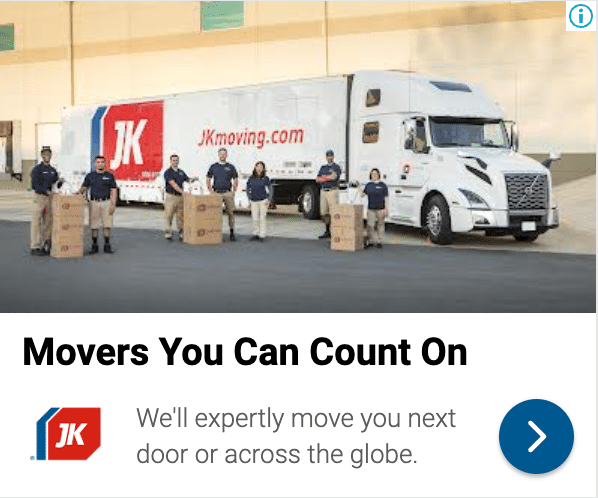
JK Moving is the largest independent mover in North America, having made over half a million moves. Their residential services include local, long-distance, and international moves. They offer commercial services including office and facility relocation, biotech and lab services, and warehousing and archival services.
JK Moving came to 97th Floor after a previous agency failed to deliver cost-effective leads through JK Moving’s search advertisements.
JK Moving needed a strong partner to take control of disorderly ad accounts and execute a strategy that would consistently deliver leads at a low cost.
97th Floor immediately took a deep dive into the client’s ad accounts, reviewing the entirety of the account history to own a complete understanding of previous and current campaign results.
97th Floor’s thorough audit revealed much about JK Moving’s ad accounts, including the following:

Based on this audit, 97th Floor’s goal for the account was to maintain and increase JK Moving’s ad’s high conversion rate while decreasing costs and using budget more efficiently to ultimately increase the return on investment.
97th Floor’s strategy included the following ad account optimizations:
97th Floor’s meticulous fine-tuning produced a 190% increase in new users to the site, and a 108% increase in leads overall, while lowering JK Moving’s cost per lead by 50%.
Lawn Doctor's founders built the first-ever automated lawn care machine in the 1960's; today the business is a franchise model with locations all over the country.
When Lawn Care corporate approached 97th Floor, they were unimpressed with the results coming from their current SEO and PPC agency.
Lawn care is a highly seasonal business, but Lawn Doctor only saw a lift from digital marketing at the end of their busy season. Lawn Doctor needed a strategic partner to help them generate interest and get in front of customers ahead of the coming year's busy season to maximize sales . 97th Floor began work in November; we had three months to work before Lawn Doctor's busy season begins in March.
Working closely with Lawn Doctor, 97th Floor identified dozens of high-volume terms that were predominantly searched on mobile devices.
We then optimized key landing pages for these terms and worked with thought leaders, industry publications, and media outlets to acquire high authority backlinks over the course of the campaign.
Extensive user tracking and A/B testing enabled us to improve the user experience on the site, helping to convert the increased organic traffic coming in from the SEO campaign.

By the end of the campaign, Lawn Doctor outranked each of their competitors – locally and nationally.
Additionally, Lawn Doctor saw:
The SEO campaign was so successful that it produced Lawn Doctor's most profitable season to-date – talk about grassroots, huh?

Every customer’s journey begins at the Top-of-Funnel, aka TOFU. TOFU refers to the initial phase in the sales funnel, where the primary objective is to generate awareness and interest within a broad audience. This stage is not about hard selling but rather about sparking curiosity and establishing a connection.
At this juncture, potential customers might be seeking information, answers to questions, or solutions to problems, but they are not yet ready to make a purchase. This is where TOFU plays a big role, serving as the first point of contact between a brand and its prospective audience.
The importance of TOFU lies in its ability to introduce a brand's value proposition and to begin nurturing a relationship with potential customers. It builds a solid foundation for further engagement in the subsequent stages of the sales funnel.
Executing an effective TOFU strategy will set you up for success throughout the rest of your customer’s journey. TOFU marketing is vital for several reasons:
In summary, TOFU is all about laying the groundwork for a lasting relationship. It's the start of a journey that, with the right strategy, leads to conversion and customer loyalty.
Blog posts stand as a cornerstone in TOFU marketing. They are a versatile tool, capable of addressing a wide range of topics, from educational content and industry insights to company news and thought leadership pieces. The key to effective blog posts at the TOFU stage is to focus on topics that resonate with your target audience's interests, questions, and challenges. Well-crafted blog posts can:
Social media platforms are a great way to engage in TOFU marketing. They offer a way to reach and engage with a vast audience through various content forms, including posts, stories, and live videos. The immediacy and interactivity of social media make it an excellent channel for starting conversations and building relationships with potential customers. Effective TOFU social media strategies include:
Videos offer a dynamic way to convey messages and engage audiences. They can range from educational content, and product teasers, to behind-the-scenes looks into your company culture. Videos can:
Infographics are an excellent way to present complex information or data in an easily digestible format. They are particularly useful for summarizing topics, presenting statistics, or explaining processes related to your industry. Benefits of using infographics include:
Each of these content types plays a unique role in the TOFU stage. They work together to attract, engage, and educate potential customers, paving the way for deeper engagement in the later stages of the sales funnel.
One of the fundamental aspects of effective TOFU marketing is identifying and targeting the right audience. Attracting a relevant audience is crucial because these are the individuals most likely to progress through the sales funnel. Key strategies for targeting the right audience include:
Search Engine Optimization (SEO) is an essential tool in TOFU marketing. It involves optimizing your online content so that it is more likely to be found and ranked highly by search engines. Effective SEO strategies for TOFU include:
Influencer marketing can be a powerful tactic in the TOFU stage. Collaborating with influencers who have a significant following in your industry can:
In summary, effective TOFU marketing tactics involve a combination of targeting the right audience, optimizing content for search engines, and leveraging influencer partnerships to enhance brand awareness and reach. These strategies lay the groundwork for attracting potential customers and guiding them further down the sales funnel.
Case Study: Solo's Full-Funnel Strategy
The Client
Solo.io is an Application Networking Platform enabling companies to take the next step in their cloud journey. They came to 97th Floor to increase MQLs.
Audience Insight
Solo.io’s existing campaigns didn’t convert because they lacked mid-funnel nurturing. We first built personas for Solo, discovering customer questions and content needs at every stage in the buying journey.
Big Swing
Based on persona insights, we developed and pitched a full-funnel LinkedIn campaign targeting personas for Solo’s two main products: Legacy API Gateway and Gloo Mesh. Solo.io would deem the campaign successful if we achieved a CPL < $200.
The Results
Campaign Term: June 15th - September 15.
Leads: 246
CPL: $141
This is a 26% increase in total leads and a 29% decrease in total cost per lead. All of these leads came as eBook downloads.
A successful TOFU strategy begins with clear objectives and goals. These should align with your overall marketing and business objectives, and be specific, measurable, achievable, relevant, and time-bound (SMART). Objectives might include increasing brand awareness, driving traffic to your website, generating leads, or establishing thought leadership. Key considerations in setting TOFU goals include:
A content calendar is essential for organizing and scheduling your TOFU content. It ensures a consistent flow of content and allows for strategic planning around key dates, events, or product launches. Your content calendar should detail what type of content will be published, on which platforms, and at what frequency. Aspects to consider when developing a content calendar:
To gauge the effectiveness of your TOFU strategy, you need to measure and analyze performance against your set goals. This involves tracking various metrics such as website traffic, engagement rates, social media analytics, and lead generation numbers. Effective analysis techniques include:
Planning a TOFU strategy requires a thoughtful approach to setting goals, organizing content, and measuring performance. By following these steps, you can ensure that your TOFU marketing efforts are targeted, effective, and aligned with your broader marketing objectives.
To execute an effective TOFU strategy, be sure to use available tools and platforms to streamline your content creation process, enhance the quality of your content, and help you measure its impact. Here are some recommended tools for various aspects of TOFU content creation:
In conclusion, an effective TOFU marketing strategy is an important component of your overall digital marketing efforts. It requires a clear understanding of your audience, creative and engaging content, smart use of digital tools, and a consistent approach to measurement and optimization. By focusing on these key elements, you can effectively attract and engage your target audience, setting the stage for successful conversions down the sales funnel.
TOFU marketing refers to strategies aimed at the top of the sales funnel, focusing on awareness and engagement. It’s crucial because it’s the first step in attracting potential customers and building brand awareness, laying the groundwork for subsequent sales and marketing efforts.
TOFU marketing is about creating initial awareness and interest, as opposed to middle-funnel (MOFU) strategies that focus on consideration and evaluation, or bottom-funnel (BOFU) tactics aimed at conversion and loyalty. TOFU is broad and informative, while MOFU and BOFU are more targeted and persuasive.
Effective TOFU content includes educational blog posts, engaging social media content, informative videos, and visually appealing infographics. This content should be informative, relevant to your audience’s interests and challenges, and designed to attract and engage.
Success in TOFU marketing can be measured through metrics like website traffic, social media engagement (likes, shares, comments), lead generation numbers, and SEO rankings. Analyzing these metrics helps in understanding the effectiveness of your TOFU strategies.
While the primary goal of TOFU marketing is not direct sales, it can indirectly contribute to sales by increasing brand awareness and interest, which may eventually lead to conversions as prospects move down the funnel.
The frequency of TOFU content creation and distribution depends on your resources and audience engagement. It's important to maintain a consistent presence without overwhelming your audience. A content calendar can help in planning and organizing content distribution effectively.
SEO is vital in TOFU marketing for increasing the visibility of your content in search engine results, thereby reaching a larger and more targeted audience. It involves using relevant keywords, creating quality content, and optimizing your website and content structure.
To target the right audience in TOFU, conduct market research to understand your audience’s demographics, interests, and pain points. Use this information to create detailed customer personas and tailor your content accordingly.
Paid advertising can be a useful complement to organic TOFU strategies. It can help in reaching a broader audience quickly, especially when launching a new product or entering a new market. However, it should be used judiciously as part of a broader TOFU strategy.
Integrating TOFU with other funnel stages involves creating a seamless journey for the customer. This can be achieved by ensuring that TOFU content naturally leads to more in-depth MOFU content, and by using TOFU data to inform and optimize MOFU and BOFU strategies.
At a high level, advertising on Reddit means placing paid, promoted content directly inside Reddit communities, where users are already talking about the topics you care about. Simple enough. The catch is that Reddit does not behave like other ad platforms, and neither do its users.
Reddit is built around communities first, ads second. People come to Reddit to learn, debate, vent, and swap opinions. They are not there to be “marketed to.” That’s why advertising on Reddit works best when it feels like a natural extension of the conversation.
Instead of targeting people based on who they are, Reddit lets you target them based on what they care about. Subreddits act as self-segmented audiences, organized around shared interests, roles, and problems. When your ads align with those conversations, advertising on Reddit can feel surprisingly organic.
This community-first structure is also where the advertising on Reddit pros and cons start to show up. Done right, ads blend in and build trust. Done poorly, they stand out fast, and not in a good way.
Before diving headfirst into advertising on Reddit, it helps to understand what you’re signing up for. Reddit can be incredibly effective. It can also be unforgiving. Sometimes even within the same campaign.
One of the biggest advantages of advertising on Reddit is audience intent. People don’t land in subreddits by accident. They join because they care deeply about a topic, role, or problem. That makes subreddit targeting one of the most powerful tools Reddit offers.
Another major pro is authenticity. When ads are written in a way that respects the community and adds value, Reddit users engage. They comment. They click. They remember the brand. In some cases, they even defend it in the comments, which is about as close to a marketing miracle as it gets.
Costs can also be favorable. Compared to other paid social platforms, advertising on Reddit often comes with lower CPMs, especially for niche or technical audiences. For brands that struggle to reach specific communities elsewhere, Reddit can punch well above its weight.
The same is true for any channel that's been overlooked long enough to forget it exists. Marketer Sterling Snow shares the story of a brand that put $1,000 into a newsletter that had never run a single advertisement — and walked away with hundreds of demo requests. The audience was already gathered. The channel just hadn't been claimed yet. This short video breaks down why the highest-ROI advertising placements are often hiding in exactly the corners no one else has bothered to look.
Now the flip side.
Reddit users are highly skeptical of ads. They can spot generic marketing language instantly, and they are not shy about calling it out. If your ad feels salesy, forced, or out of place, performance drops fast.
Another challenge is creative fit. What works on Facebook or LinkedIn rarely works here. Advertising on Reddit requires more testing, more iteration, and a stronger understanding of how each community communicates.
Finally, Reddit is not a set-it-and-forget-it platform. Successful campaigns require active monitoring, comment management, and optimization. That extra effort is part of the tradeoff.
If you’re hoping for one clean number, I regret to inform you that advertising platforms do not believe in peace. Advertising on Reddit is auction-based, which means costs change based on your targeting, competition, and objective.
Most advertisers report CPMs commonly landing somewhere in the low single digits up to the teens, depending on how broad or narrow your audience is. WordStream puts “typical” CPM ranges around $0.50–$15, while also noting outliers can go much higher for premium placements.
For clicks, many guides and advertiser reports land in a practical CPC range of roughly $0.50–$4, again depending on competition and targeting.
If you’re running video, Reddit also supports CPV (cost per view) pricing models in addition to CPM and CPC.
A few things move the needle fast:
You do not need some mythical five-figure monthly commitment to begin advertising on Reddit. Reddit for Business explicitly notes there’s no minimum spend to get started, and you control budgets at the ad group level with daily or lifetime options. You can start small, learn what works, then scale what earns its keep.
At some point, every marketer asks the same question: How does advertising on Reddit stack up against Facebook or Google? The answer is not “better” or “worse.” It’s different, and those differences matter a lot depending on your goals.
Facebook and Google are built for scale. Reddit is built for relevance. That distinction shows up quickly when you compare targeting, intent, and how audiences respond to ads.
Here’s a side-by-side look at how these platforms typically compare.
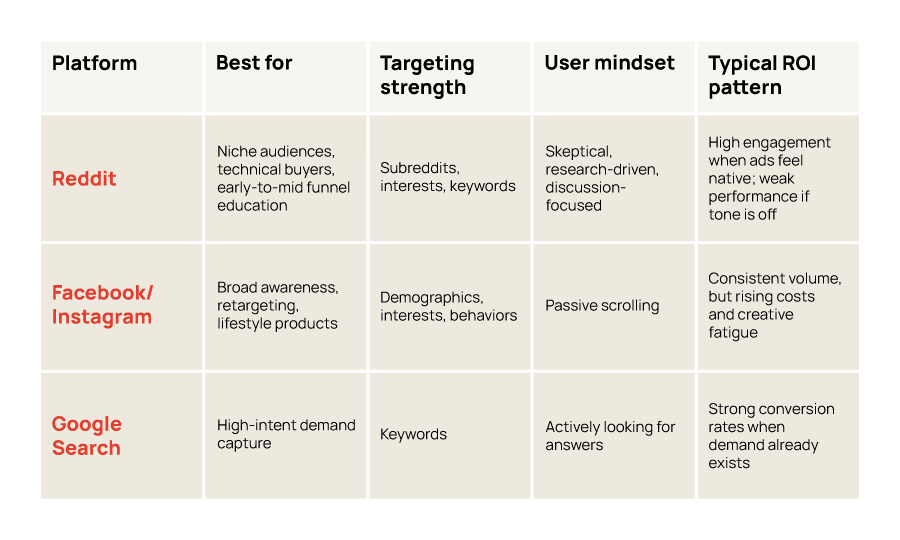
Advertising on Reddit works best when you need to reach people who are actively thinking about a problem, but not necessarily ready to buy yet. Subreddits function like built-in focus groups, where users self-select into conversations around their role or challenges.
Compared to Facebook, Reddit has less scale but far more context. Compared to Google, it reaches users earlier in the decision-making process. That makes advertising on Reddit especially useful for complex products, technical audiences, and brands that need to educate before they convert.
Reddit is not ideal for every use case. If you need immediate, high-volume conversions, Google Search wins. If your product relies heavily on impulse buying or visual appeal, Facebook and Instagram might perform better.
Reddit rewards relevance and authenticity. It punishes generic messaging and aggressive sales tactics.
Setting up advertising on Reddit is not complicated. The hard part is everything around the setup. So, we’ve made it easy with this quick guide.
Head to Reddit Ads (aka Reddit for Business) and set up an account. Basic stuff. Billing. Business details. The usual “confirm you are, in fact, a company” deal. Now, on to the good stuff.
Reddit will ask what you’re trying to do. Choose the goal that matches your actual intent, not your wishful thinking.
Common picks:
If you’re brand new to advertising on Reddit, traffic is often the cleanest starting point. It gives you a quick signal without requiring perfect tracking from day one.
This is an important step! It may determine the success of your campaign.
Start with subreddit targeting whenever you can. Pick the communities where your audience already spends time. Then layer in interest or keyword targeting if you need to expand reach or test angles. If you don’t understand a subreddit’s vibe, don’t target it yet. Lurk first, then target.
Reddit uses an auction model, so you’ll set a daily (or lifetime) budget and a bid strategy based on your objective.
Start simple:
This is where people can get impatient, but don’t. Advertising on Reddit rewards steady testing more than constant tinkering.
Now the fun part. Reddit users are ad-skeptical and very allergic to buzzwords. Write your ad like you’re joining their existing conversation.
Best practices for Reddit copywriting include:
Step 6: Launch, then monitor comments
Reddit is not a “launch and leave” platform. People may comment on your ads. Sometimes they ask smart questions. Sometimes they roast you. Either way, watching comments gives you copy insights, objection insights and product messaging insights.
Step 7: Test one variable at a time
When you start optimizing, change only one thing per test:
If you change everything at once, you won’t know what actually worked. You’ll just know you “did stuff.”

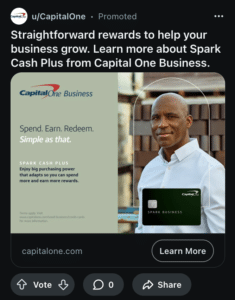
Advertising on Reddit is not for everyone, but that’s kind of the point.
Reddit rewards curiosity, relevance, and a willingness to actually understand the audience you’re trying to reach. It punishes shortcuts. If you treat it like just another paid social channel, performance will disappoint, and the comments will let you know exactly why.
When brands take the time to learn the platform and present something genuinely useful, advertising on Reddit can be incredibly effective. Especially for niche audiences, when trust really matters. Reddit is not a billboard, it’s a conversation. The brands that win on Reddit are the ones willing to listen before they speak.
If you’re ready to approach advertising on Reddit with strategy, intention, and a healthy respect for the platform, let’s build.
We know your audience. We know their interests and aversions, and we know how to talk to them so that they convert - on Reddit and everywhere else they hang out. Let us take the lead here. We’ve got you. Book a strategy call with us today.
Ad networks work as intermediaries that connect advertisers with publishers. An ad network’s job is to collect ad spaces from a multitude of websites, categorize them based on demographics, content type, and other factors, and then sell them to advertisers looking for specific audiences. This helps advertisers gain access to a wide range of inventory options, while publishers benefit from a consistent stream of advertisers.
Ad networks are important in digital marketing for several reasons. First, they provide advertisers with a convenient and efficient way to purchase digital ads across a variety of websites without the need for individual negotiations with each publisher. Secondly, ad networks use sophisticated algorithms to match ads with the most relevant audiences. What’s more, ad networks represent a reliable source of revenue for publishers, as they consistently keep ad spaces filled with relevant ads.
Each type of ad network caters to different needs and preferences. The most common include:
When selecting an ad network, one of the first considerations should be its targeting capabilities. Look for ad networks that offer advanced targeting options such as demographic, geographic, behavioral, and contextual targeting. The more granular the targeting options, the better you can tailor your ads to specific audience segments.
Common pricing models include:
Each model has its advantages and is suited to different advertising objectives. Assess which model aligns best with your campaign goals and budget.
An ad network that provides a diverse range of formats allows for more creative and engaging campaigns. Common formats include banners, native ads, video ads, and interstitial ads. Additionally, consider the quality and relevance of the inventory. High-quality ad spaces on relevant websites will lead to better engagement and conversion rates.
Here are some of the top ad networks used by publishers in the industry, each with its unique features and strengths:
Here are some of the leading ad networks that cater to the diverse needs of advertisers:
Mobile and video advertising are more than just trends; they are essential components of successful marketing strategies. Mobile advertising has gained popularity due to the increasing use of smartphones and tablets for internet access, allowing businesses to reach consumers on the devices they use most frequently. Video advertising, on the other hand, capitalizes on the growing consumer preference for video content, offering a dynamic and engaging way to connect with audiences.
The choice of a mobile or video ad network should align with the specific goals and target audience of the campaign, ensuring optimal engagement and results.
Before diving into the sea of ad networks, anchor yourself with clear advertising goals. What do you aim to achieve with your ad campaign? Are you looking to increase brand awareness, drive traffic, generate leads, or boost sales? Different ad networks may excel in different areas, so your goals will significantly influence your choice.
First, define your target audience. Consider factors like age, gender, location, interests, and online behavior. Choose an ad network that can reach your audience where they are most active and engaged. For example, a network specializing in mobile ads would be more suitable if your audience primarily accesses content via smartphones.
Ad networks offer various pricing models, such as Cost Per Click (CPC), Cost Per Impression (CPM), or Cost Per Action (CPA). Determine which model aligns best with your campaign objectives and budget. Also, remember to consider the overall return on investment (ROI) the network can offer, not just the upfront costs.
Ad fraud involves various deceptive practices that result in advertisers being charged for ad impressions, clicks, or conversions that were not legitimate. Invalid traffic, which includes both intentionally fraudulent traffic and unintentional non-human traffic (like bots), can skew campaign data and waste advertising budgets. Work with ad networks that have robust fraud detection and prevention mechanisms in place.
Ad blockers can pose a challenge to marketers like us as they prevent ads from being displayed to a portion of the audience. Additionally, increasing privacy concerns and regulations like GDPR and CCPA impact how advertisers can collect and use data, making targeting more complex. Advertisers and publishers need to balance effective advertising with respect for user privacy and consent, often requiring more creative and non-intrusive ad strategies.
Maximizing the performance of ad campaigns requires continuous monitoring and optimization. Challenges include navigating the complexities of bid management, targeting options, and understanding the nuances of different ad formats. Performance issues can also arise from technical integration problems or suboptimal ad placement. Regular analysis and adjustments, guided by clear metrics and KPIs, are essential for achieving the desired outcomes from ad network partnerships.
Navigating the world of ad networks can be complex, but understanding their dynamics will give you a leg up in your digital advertising game. Whether you're a publisher looking to monetize your digital assets or an advertiser aiming to reach a wider audience, the right ad network can be a powerful tool for achieving your goals.
Whether you’re a publisher or an advertiser, by continuously assessing your ad network's performance and staying ahead of industry trends and challenges, you can make more informed decisions that propel your digital marketing efforts forward.
An ad network is a platform that connects advertisers to websites that want to host advertisements. It aggregates ad space supply from publishers and matches it with advertiser demand.
Ad networks aggregate ad spaces from publishers and sell them to advertisers, often with a specific focus or targeting capability. Ad exchanges are more like digital marketplaces that facilitate the buying and selling of ad inventory between multiple ad networks, publishers, and advertisers, usually in real time.
For publishers, ad networks provide an efficient way to monetize their websites, as they facilitate access to a wide range of advertisers and handle the ad-selling process.
Advertisers use ad networks for their ability to reach a broader audience across multiple websites, efficient targeting capabilities, and sometimes, for cost-effective advertising options.
Advertisers should consider the network's reach, targeting capabilities, ad formats supported, pricing models, and the quality and relevance of the websites in the network.
Publishers should evaluate ad networks based on the type of content they support, revenue models offered, quality of ads, ease of use, and how well the network’s audience matches their own.
Yes, there are several types, including vertical networks (focused on specific industries), premium networks (offering high-quality ad spaces), blind networks (offering wide reach but less transparency), contextual networks (targeting based on content), and retargeting networks (focusing on users who have interacted with a brand before).
Ad targeting in networks uses data and algorithms to display ads to specific user segments based on factors like demographics, behaviors, interests, and more.
Common models include Cost Per Click (CPC), Cost Per Impression (CPM), Cost Per Action (CPA), and sometimes flat-rate pricing.
Reputable ad networks comply with privacy laws and regulations like GDPR and CCPA. They use data responsibly, ensure user consent where required, and provide transparency about how data is used.
Display advertising leverages visual content to capture the attention of online audiences. These ads manifest across various digital landscapes, from social media platforms to websites, using a blend of text, imagery, and design to engage viewers. Unlike traditional advertising, display ads offer the versatility of appearing in multiple formats and sizes, adaptable to any medium your team needs them to work with.
The primary distinction between display ads and other forms of digital advertising is their visual emphasis. While search ads predominantly rely on text and are triggered by specific keyword searches, display ads focus more on visual appeal, aiming to grab attention in a more passive browsing environment. They are not reliant on user search queries but are instead placed where potential customers are likely to see them, such as on websites related to the advertiser's product or service.
Incorporating display advertising into marketing campaigns allows for creative expression and storytelling, which is essential in building brand identity and emotional connections with the audience. Furthermore, display ads can reach audiences at different stages of the buying cycle, from awareness to consideration, making them a versatile tool in the marketer's arsenal.
Banner ads are one of the most familiar forms of display advertising. Typically rectangular, these ads sit prominently on websites, offering a blend of imagery and text to convey a message or promotion. Banner ads are known for their flexibility in size and placement, making them a staple in digital marketing.
Native ads are designed to blend seamlessly with the content of the page on which they appear. They mimic the look, feel, and function of the media format where they're found, providing a less intrusive advertising experience. This subtlety often leads to higher engagement rates as they don't interrupt the user's browsing experience.
Animated display ads bring a dynamic element to advertising, using motion to catch the viewer's eye. These ads can be simple GIFs or more complex animations, offering a more engaging experience than static images. The movement in these ads can effectively draw attention and convey a message in a few seconds.
Interactive display ads invite user engagement through elements like quizzes, games, or interactive videos. These ads not only capture attention but also increase user engagement and time spent with the brand, fostering a deeper connection.
Video content in display advertising harnesses the power of both sight and sound. These ads can range from short clips to longer, narrative-driven pieces, offering an immersive experience that can convey a story or demonstrate a product.
Infographics in display advertising combine data and design to convey complex information in an easily digestible format. These ads are particularly effective for brands looking to educate their audience or present data-driven stories.
Expanding ads start as standard banner or rectangle ads but increase in size when interacted with, offering more space for messaging and creative content. This format is engaging but should be used wisely to avoid overwhelming the user.
Lightbox display ads are interactive ads that expand and lighten the background to focus the viewer's attention on the ad content. These ads often incorporate video or interactive elements to engage users.
Pop-up display ads appear over the webpage content, instantly drawing attention. While effective in visibility, they can be intrusive, so be sure to balance the timing and frequency to optimize user experience.
Interstitial display ads are full-screen ads that appear between activities or page loads, providing a large canvas for advertisers. They are typically used in mobile apps and should be timed well to minimize disruption.
Display advertising excels in enhancing brand awareness due to its visual nature. The creative use of graphics, colors, and messaging helps etch brand images into the minds of consumers. These ads can appear across various online platforms, ensuring that a brand is seen repeatedly by a broad audience to boost brand recall.
Whether it's through popular websites, social media platforms, or mobile apps, display advertising provides brands with a great opportunity to reach a wide audience across the internet.
Display advertising comes with sophisticated targeting options. Advertisers can target audiences based on demographics, interests, behavior, and even retarget users who have previously interacted with their brand. This level of precision ensures that ads are shown to the most relevant audience, increasing the likelihood of engagement.
Remarketing gives brands a chance to show ads to users who have previously visited their website. This tactic is highly effective because it keeps the brand in front of a warmed-up audience, increasing the chances of converting previous visitors into customers.
Display ads allow for a wide range of creative expression, enabling brands to diversify their advertising messages. Different formats, from video to interactive ads, provide numerous ways to convey a message, tell a story, or showcase a product, catering to various user preferences and improving engagement.
One of the key benefits of display advertising is the ability to measure and analyze results accurately. With real-time data on impressions, clicks, conversions, and more, advertisers can understand how their ads perform and make data-driven decisions to optimize their campaigns for better results.
The process of creating and managing display advertising campaigns starts with defining campaign goals and identifying the target audience. Advertisers then design the ad creatives, choosing formats that best suit their objectives. Next, you must select the right platforms and placements for the ads and set up targeting parameters to reach the desired audience. Once the campaign is live, continue to monitor and optimize based on your real-time data to improve performance.
Here are a few of the most prominent display advertising platforms:
A few other platforms that are less prominent include:
These may not be as well used but do provide another way to target through display advertising. Each platform has its own, unique forms of targeting that can help target users in different ways.
Be sure to keep track of your key performance indicators (KPIs) to assess the success of display ad campaigns. Common KPIs include click-through rate (CTR), which measures how often people click on the ad; conversion rate, indicating the percentage of clicks that resulted in a desired action; and return on ad spend (ROAS), assessing the profitability of the ad. Monitoring these KPIs helps advertisers understand the effectiveness of their campaigns and guides them in making informed adjustments.
Adobe’s display ads often stand out due to their creative use of graphics and messaging that resonates with their target audience of creative professionals. Their ads effectively showcase their products’ capabilities, often highlighting new features or uses that can inspire potential users.
Apple TV's display advertising is known for its sleek design and clear messaging. The ads typically feature high-quality visuals of their shows and movies, coupled with compelling call-to-actions, making them both visually appealing and effective in driving subscriptions.
PUBG has leveraged display ads to enhance its gaming community and attract new players. Their ads often feature in-game graphics and highlight the interactive, adrenaline-filled experience of the game, appealing directly to their target audience of gamers.
The New York Times uses display ads to showcase their journalistic excellence and breadth of coverage. Their ads often feature compelling headlines or snippets of top stories, drawing readers to their site for in-depth reading, thus increasing subscriptions and engagement.
Mount Sinai's display ads focus on promoting their healthcare services and expertise. Their ads are often informative, featuring health tips or information about their services, designed to build trust and awareness among potential patients.
SEMrush, a digital marketing tool, uses display ads to highlight the features and benefits of their platform. Their ads typically address common pain points in digital marketing, positioning their tool as a solution, that resonates well with their target audience of marketers.
Bulldog Skincare’s display ads are notable for their straightforward and humorous approach, often featuring their products with clear, concise messaging. Their branding is consistent across ads, strengthening brand recognition and appeal.
Square’s display ads effectively communicate the simplicity and utility of their payment solutions. With clean designs and straightforward messaging, their ads appeal to small business owners and entrepreneurs, showcasing how Square can streamline their business operations.
Display advertising offers numerous benefits that make it a valuable component of digital marketing strategies. First, its visual nature makes it highly effective in grabbing attention and creating brand awareness. With the ability to use images, videos, and interactive content, display ads can be more engaging than other forms of advertising. The targeting capabilities of display ads are also a significant advantage, allowing advertisers to reach specific audiences based on demographics, interests, and online behaviors. Additionally, the flexibility in terms of ad formats and placements enables brands to creatively showcase their products or services in various contexts.
However, there are challenges to be aware of. Ad blindness, where users ignore banner-like information, can reduce the effectiveness of display ads. The increasing use of ad blockers also poses a significant challenge, as it prevents ads from being seen by a portion of the audience. Furthermore, measuring the direct impact of display ads on conversions can be complex, as they are often more effective in building brand awareness than driving immediate sales. Finally, creating high-quality and engaging ad content requires resources and creativity, which might be challenging for smaller businesses.
Display advertising and search advertising are two prominent pillars in digital marketing, each with unique strengths. Search advertising is intent-based, triggered by user queries on search engines, making it highly effective for capturing users with a clear purchase intent. In contrast, display advertising excels in building brand awareness and reaching users earlier in the buying cycle. It's more about creating a visual impact and engaging users who may not be actively searching for a product or service but are part of the target demographic. Typically, Display campaigns hold higher impressions and higher clicks, but lower click-through rates than Search campaigns.
Choosing between display advertising and other channels depends on the specific goals of a marketing campaign. For immediate sales or leads from users with a clear intent to purchase, search advertising might be more effective. However, for long-term brand building, audience engagement, and reaching a broader audience, display advertising is a superior choice. Often, a combination of different channels, including display and search advertising, provides a balanced approach, covering various stages of the customer journey.
Measuring the success of display advertising involves tracking a range of metrics that provide insights into the effectiveness of the ads. Common metrics include:
By analyzing the data gathered from key metrics, advertisers can identify what works and what doesn’t, allowing them to optimize their campaigns for better performance. Regular analysis of these metrics ensures that the campaign remains focused on its objectives and delivers the best possible return on investment.
To optimize reach and engagement, brands should experiment with different types of display ads – including banners, videos, interactive ads, and infographics – to determine which resonates best with their audience. This variety helps in understanding audience preferences and keeping the ad content fresh and engaging.
Every display ad should prominently feature the brand logo and a clear value proposition. This ensures brand recognition and communicates the core benefit of the product or service. A strong, concise message helps in making a lasting impression on the audience.
Advertisers should explore various media options for placing their display ads. This includes popular websites, social media platforms, and ad networks. The choice of media should align with where the target audience spends their time online, ensuring maximum visibility and relevance.
Optimization involves A/B testing different elements of the ads, such as images, headlines, and call-to-actions, to see what performs best. Testing and re-testing campaigns is always an important part of maximizing their performance. Additionally, using targeting options effectively to reach the right audience and adjusting bids for optimal ad placement
can make display a powerful tool for engaging audiences and achieving marketing objectives. By continually testing, measuring, and optimizing, advertisers can ensure that their display advertising efforts yield positive results.
Display ads are a form of online advertising that combines text, images, and a URL linking to a website where customers can learn more or make a purchase. They can appear on websites, social media platforms, and mobile apps.
While both are online advertising strategies, display ads focus on visual engagement across various websites and platforms, while PPC (Pay-Per-Click) is primarily text-based and appears in search engine results.
Display advertising boosts brand visibility, allows for creative branding opportunities, targets specific audience segments, and provides measurable results.
Yes, with advanced targeting options like demographic, geographic, and behavioral targeting, display ads can precisely target specific audience groups.
Effective display ads should have a clear message, a compelling call-to-action, high-quality visuals, and should be optimized for different devices and platforms.
Look into your key metrics. These include click-through rate (CTR), conversion rate, return on ad spend (ROAS), and overall engagement. Analyzing them can provide insights into campaign performance.
Retargeting allows you to serve display ads to users who have previously visited your website, helping to keep your brand top-of-mind and encouraging them to return.
Yes, display ads can be highly effective for local businesses, especially when targeting is set to focus on a specific geographic area.
The choice depends on where your target audience spends their time online. Researching your audience's online behavior and testing different platforms can help determine the best fit.
Current trends include the increasing use of video and interactive content, a focus on mobile optimization, and the integration of AI for better targeting and personalization.
Did you know that every time you share a funny reel or insightful LinkedIn post through text, Slack, or Google Chats you’re participating in dark social? Dark social, a term coined by Alexis Madrigal in 2012, refers to the sharing of content through private channels such as messaging apps, email, and secure browsing. This form of social sharing is "dark" because it occurs outside of the public social media platforms, making it invisible to traditional web analytics.
The significance of dark social lies in its vast, yet hidden, presence in online interactions. It encompasses a range of activities, from a friend sharing a link through a text message, to an employee emailing a relevant article to a colleague. These private exchanges, although seemingly trivial, form a substantial part of how information is spread online.
Understanding dark social helps you and your team gain a holistic view of how your digital marketing efforts are performing. It's where a significant portion of audience engagement happens. So knowing what’s being shared and how often can really show you how people are connecting with your brand.
While dark social traffic is inherently challenging to track due to its private nature, several tools and techniques can disclose this hidden part of your audience's online behavior.
In the realm of dark social, private messaging and direct channels hold a goldmine of opportunities for brands. These platforms, such as WhatsApp, Facebook Messenger, and Slack, offer a more direct way to connect with your audience. To leverage these channels effectively, consider:
Encouraging your audience to share content in their private networks can significantly amplify your reach. To do this:
Employees can be your brand's most powerful advocates. Encouraging them to share your content within their networks can significantly extend your reach. Here's how:
User-generated content (UGC) campaigns encourage customers and employees to create content related to your brand. This content, often shared in personal networks, can enhance authenticity and trust.
Provide exclusive deals or content to your employees to share within their networks. This not only incentivizes sharing but also makes the recipients of these shares feel special.
Platforms like LinkedIn Elevate or Smarp can help manage and track employee advocacy efforts, making it easier to measure the impact of these campaigns.
Dark social plays a pivotal role in influencing direct traffic to your website. This traffic, often categorized as 'direct' in analytics, can sometimes be attributed to dark social if there's no referring URL. Understanding this helps in:
Analyzing dark social provides invaluable insights into your audience's preferences and behaviors. It reveals:
One of the key challenges in leveraging dark social is convincing stakeholders of its significance. To address this:
Privacy is a major concern in the realm of dark social. To navigate this:
As we look towards the future, the role of dark social in digital marketing is poised to grow even more significantly. The increasing use of private messaging apps, the rise of encrypted communication, and the growing public concern over privacy are all factors contributing to the expansion of dark social's reach. Here's what to anticipate:
This evolving landscape presents both challenges and opportunities. Brands that adapt and find innovative ways to engage with their audiences in these private spaces will likely see a substantial advantage.
Dark social, often overlooked in digital marketing strategies, is a crucial component for understanding and engaging with your audience. By acknowledging its existence, measuring its impact, leveraging its potential, and respecting user privacy, brands can tap into a wealth of insights and opportunities. As the digital space continues to evolve, keeping a pulse on dark social will be imperative for any forward-thinking marketing strategy.
Dark social refers to the sharing of content that occurs outside of standard measurable social media platforms, primarily through private channels like messaging apps, email, and secure browsing.
It represents a significant portion of online sharing that is not captured by standard analytics, offering deeper insights into how content is being disseminated and privately engaged with.
To track dark social traffic, use URL shorteners, UTM parameters, adjustments in website analytics, and encourage trackable sharing options to get insights into dark social traffic.
While dark social itself doesn't directly affect SEO, understanding it can inform content strategies that drive more organic traffic.
To leverage dark social, personalize communication on private messaging platforms, encourage social sharing and engagement, and utilize employee advocacy effectively.
Since dark social involves personal recommendations, it can significantly enhance your brand's credibility and trustworthiness.
The primary challenge of dark social is its private nature, making it invisible to standard tracking tools and thus hard to quantify accurately.
Present stakeholders with data-driven insights and success stories that demonstrate the impact of dark social on engagement and conversions.
Navigating user consent and privacy is crucial, especially when dealing with private data from messaging apps and emails.
Expect an increased focus on private messaging platforms, more advanced tracking technologies, and the heightened importance of personalization in marketing strategies.
