



Running an ecommerce business is a lot of work. You’re managing all your products, solving your customers’ problems with great services, and trying to grow in a competitive industry. With AI changes coming to SEO as well, it’s hard to know where to start with SEO and marketing. The good news is you don’t have to figure it out on your own.
This guide explores the current state of ecommerce SEO with AI optimization involved and where it’ll be going in the coming years. Read on to learn how to handle your SEO to keep your ecommerce brand thriving.
Ecommerce SEO is the process of optimizing your online store so that your product pages, category pages, and brand pages rank higher in search results. Unlike traditional SEO, which often focuses on blog content and service pages, ecommerce SEO also deals with thousands of SKUs, filtering options, navigation, and constantly changing inventory.
Executing an intentional ecommerce SEO strategy is essential because organic search is one of the strongest revenue channels for online retails. When shoppers search, they’re already showing intent to buy—so ranking higher gives you the chance to be the product they see. Effective ecommerce SEO makes sure the right products appear at the right time for the right customer, which can help both your immediate sales and long-term brand visibility.
Even the most advanced AI tools and content strategies won’t deliver results if your key ecommerce SEO fundamentals aren’t in place. Before scaling product content or experimenting with automation, your site needs a strong technical foundation that helps search engines and AI tools discover and trust your pages. These four essentials make your store findable, fully crawlable, and ready to compete in organic search.
Search engines need clean, discoverable paths to your product and category pages. Use robots.txt and XML sitemaps to guide crawl behavior and make sure the most valuable URLs are included. For very large catalogs, monitor crawl budget and prioritize high-converting or frequently searched products so that they’re indexed quickly and consistently.
Filters, sorting, and faceted navigation can create thousands of parameter-based URLs that look like duplicate pages to search engines. Instead of letting your best pages get lost to crawlers, use canonical tags, “noindex” rules, and URL structure. In addition, check that you don’t have any actual duplicate pages and that could be confusing both your users and the search engines and consolidate those.
Most ecommerce traffic now comes from mobile, so your site must be fast, responsive, and easy to navigate on a phone. Optimize Core Web Vitals at the template level so that your product and category pages load consistently and quickly on any device. Other ways to pick up your site speed include compressing product imagery and streamlining scripts.
Structured data helps search engines understand and display your products more effectively. A good way to help create structured data is to add products, reviews, pricing, and availability schema to your site. This provides your customers and search engines with rich results like star ratings and stock status in search listings. Keep your schema updated to reflect inventory changes so that shoppers receive accurate, up-to-date information before they even click.
AI and SEO go hand-in-hand. AI helps you scale what used to require hours of manual research, writing, and analysis. It can cluster thousands of keywords into logical product and category groups, personalize recommendations based on user behavior, and forecast demand by analyzing past performance and seasonality. AI search SEO allows you to build smarter navigation structures and target intent-based search opportunities more effectively.
AI can also automate repetitive tasks, such as generating product descriptions, meta tags, FAQs, and schema markup at scale. With the right prompts and review workflows, these outputs stay accurate to brand voice while freeing your teams to focus on higher priorities. AI-driven anomaly detection and performance monitoring tools can also surface issues—like sudden ranking drops, broken pages, or out-of-stock items—before they meaningfully impact your company.
However, AI should act as an assistant, not a replacement. Your team and your agency will provide the expert creative direction while AI speeds up the process.
A strong ecommerce SEO content strategy includes more than blog posts. The goal is to help shoppers make confident decisions while signaling relevance and authority to search engines. Here are a few ways to help build out your strategy.
Your blog should focus on topics that closely align with your products and the problems they solve. Target high-intent queries like comparisons, “best of” lists, and how-to content that moves potential customers toward purchasing.. Each article should support a product or category.
Evergreen content (like buying guides and care instructions) builds compounding search value over time. Seasonal or trend-driven content helps you stay relevant during peak shopping windows or product launches. Both matter—evergreen builds foundation and seasonal captures timely demand.
Long-tail content like “how to choose,” “best for,” and detailed FAQs helps potential customers confidently purchase. Some other content types you might want are comparison grids, sizing explanations, and care instructions.
Stack Overflow built a billion-dollar brand on the exact kind of Q&A content AI now answers in seconds — and paid the price. Jimmy Wales explains what the 90% collapse reveals about content strategies that won't survive the decade.
Every piece of content should strategically link to the right product and category pages. Internal linking helps search engines understand relationships between pages and distributes authority where it matters most. Use clear calls-to-view products, related collections, or comparison pages to guide both users and search engines toward your most valuable URLs.
Off-page SEO helps build the authority, trust, and credibility that search engines use to determine which brands deserve top rankings. For ecommerce sites, it’s about earning signals that show your products are valued by real customers. Here are a few strategies to boost your off-page SEO:
As you scale, SEO needs often evolve beyond basic optimizations. Deciding whether to manage SEO in-house or to partner with an agency depends on your specific needs and goals. Most ecommerce SEO agencies offer technical audits, on-page optimization, content strategy, link-building, and performance reporting. They often bring specialized experience with product feeds, schema markup, faceted navigation, and large catalog indexing—areas that can be difficult for generalist marketers to manage.
If rankings are flat or your internal teams are stretched thin, an agency can help. Other common signals it might be time for agency help include frequent site changes, large or rapidly growing product catalogs, and the need for structured testing to improve performance.
When you need agency help, 97th Floor takes a strategic, outcome-driven approach that can change the way your company handles SEO. Rather than applying surface-level fixes, we optimize information architecture, content ecosystems, and product discovery workflows to influence full-funnel performance. Our team combines expert strategy with AI-supported execution to scale insights, reduce manual lift, and align SEO outcomes with real results.
Search engines need clear signals about which version of each page is intended for each audience—otherwise, rankings can become diluted and customers may land on the wrong currency, language, or shipping region. International ecommerce SEO helps you make sure shoppers see the right page for their location. Here are a few tips to get you started:
While position improvements matter, the real SEO impact shows up in revenue, conversion rates, customer lifetime value, and product discoverability. The goal is not simply to rank—it’s to drive profitable, sustained growth from organic search. Below are a few ways to track how well your SEO strategy is working:
When SEO goals map directly to revenue and merchandising priorities, it becomes a scalable lever for long-term ecommerce growth.
Even experienced teams can run into challenges when scaling product catalogs and content. Recognizing and resolving them early can help you grow sustainably and reach your customers effectively. To up your SEO strategy, make sure you avoid:
Ecommerce SEO is shifting from static keyword targeting to dynamic, personalized experiences powered by AI and real-time intent signals. AI search engines are getting better at predicting what shoppers want before they explicitly say it. That means personalized recommendations, dynamic product rankings, and individualized search results will become standard—requiring ecommerce brands to optimize for user intent and behavior.
Another development on the horizon is voice commerce and conversational queries.
As voice assistants and conversational interfaces evolve, queries are becoming longer and more natural. You’ll want to be ready to handle question-based searches, comparisons, and instructional content to meet shoppers where they are.
Shoppers increasingly search using images, screenshots, and voice—often all in the same product search. Product pages in coming years will need rich visuals, clean metadata, and structured information to perform well in visual and AI-driven environments.
Expect search results to look more like curated guides than lists of blue links. AI-driven shopping assistants will become commonplace, pulling product data, reviews, inventory, and pricing from multiple sources at once. Brands that invest now in structured data, differentiated content, and flexible content pipelines will be positioned to lead the next era of ecommerce discovery.
Running an ecommerce brand in 2025 is like hauling feral cats out of a burning building — noble work, but try it alone and you’ll come out with more scars than survivors. That’s because ecommerce isn’t a single challenge; it’s dozens of moving, clawing parts that demand your attention all at once. Scaling an online store goes way beyond having great products. Visibility, customer experience, and platform mastery all play a role in turning browsers into buyers.
Ecommerce agencies step in as that extra set of hands. They handle the heavy lifting across SEO, paid ads, conversion rate optimization, design, and retention so you can focus on keeping your business upright and your capital from bleeding dry.
In this guide, we’ll cover what ecommerce agencies actually do, how to know if it’s time to hire one, what makes a ‘best’ agency stand out, and seven agencies in the U.S. worth your attention in 2025 — including ours (because, full disclosure, we’re really good at what we do).
If you’re reading this, you probably already have a sense of what an ecommerce agency does. Still, let’s not skip the basics.
An ecommerce agency is a specialized partner built to help online stores grow faster, smarter, and with fewer headaches. Unlike general digital agencies, ecommerce agencies focus specifically on the unique demands of online retail.
That means:
They’re measured by commerce-specific metrics like average order value (AOV), lifetime value (LTV), return on ad spend (ROAS), and retention — not just traffic or impressions. All of this is to say an ecommerce agency’s job isn’t finished once visitors land on your site. Their role is encouraging those visitors to stick around and actually buy something.
We’re not going to sugarcoat it: Hiring an ecommerce agency isn’t cheap. But the right one can more than pay for itself by uncovering growth opportunities you didn’t even know existed. It’s like figuring out which wire to cut on a ticking bomb after watching one YouTube tutorial. Technically possible, but maybe bringing in a professional would be safer?
In other words, the benefits go way beyond saving time (though that’s nice, too). Here’s why brands turn to ecommerce agencies in 2025:
Without checking any listings, we’re pretty confident in telling you that there are thousands of agencies out there ready to take your call. But what separates the good from the genuinely great? Flashy websites and slick pitch decks are nice, but results are what actually matter. The best ecommerce agencies prove their worth by showing exactly how they’ve helped brands move the needle.
Not every agency that slaps ‘ecommerce’ on its homepage is worth your budget. The best agencies share a few traits:
Statista projects that worldwide ecommerce sales will hit roughly $3.66tn by the end of 2025. And, if you’re like me and don’t immediately recognize ‘tn’ as a unit of measurement, it stands for trillion (12 zeroes). That’s a lot of potential growth; having a dependable agency by your side can help your business carve out its share instead of getting buried under everyone else’s.
You made it. This is the list you came here for. These seven agencies stand out in 2025 not only for their services, but for their ability to deliver measurable, platform-specific results. We’ll cover who they’re best for, what services they offer, and what makes them different in a crowded space.
Best for: Integrated growth across SEO, paid, and conversion optimization
Most agencies promise growth. 97th Floor has made a business of proving it. With deep roots in content, SEO, and analytics, 97th Floor doesn’t just help ecommerce brands ‘get more traffic’ — they work with you to align every marketing channel to generate more sales, more efficiently.
97th Floor is a full-service growth agency with a knack for turning ecommerce complexity into measurable outcomes. Their bread and butter includes:
If you want a partner that doesn’t just tweak one channel but instead pulls the whole system into alignment, 97th Floor is a top choice.
Best for: Content-driven ecommerce growth
Content is king, but only if it ranks — otherwise it’s just some obnoxious court jester that capers around the digital courtyard juggling outdated keywords (don’t mind me; just stress testing a metaphor). Siege Media built its reputation on creating research-backed, SEO-optimized content that ecommerce brands can use to win organic visibility. If you’re tired of writing blog posts that nobody reads, this is an agency that can change the story.
Strengths include:
If organic growth is your north star, Siege is the kind of agency that can help you outrank competitors without relying solely on ad spend.
Best for: Platform migrations and storefront optimization
Technology can be a brand’s biggest advantage — or its biggest bottleneck. 1Digital® Agency specializes in fixing that problem by making sure your storefront is fast, functional, and scalable, no matter which platform you’re on. Whether you’re moving from Magento to Shopify, need a WooCommerce overhaul, or want to unify your BigCommerce setup, they’ve been there.
They offer:
Overall, 1Digital® Agency is a good fit for brands with growing pains tied to their tech stack.
Best for: ecommerce SEO at scale
SEO may not be flashy, but it’s the backbone of sustainable ecommerce growth. WebFX has built a reputation on measurable outcomes, particularly around SEO. They’re a fit for ecommerce brands that want more organic traffic and are ready to invest in long-term visibility.
Services include:
They’ve worked with thousands of clients and have the scale to match complex ecommerce needs.
Best for: Amazon and marketplace strategy
For many brands, Amazon is both an opportunity and an obstacle — massive reach, sure, but also high fees, fierce competition, and limited control over the customer relationship. Nuanced Media helps navigate that complexity by giving you a strategy not only for your own storefront, but also for Amazon, Walmart, and other marketplaces where your customers are already shopping.
Highlights:
Great for brands that want to diversify beyond their own dot-com.
Best for: Conversion rate optimization and UX
If you’ve ever looked at your analytics and thought, Why aren’t more people buying? Inflow is the agency built to answer that question. They specialize in conversion rate optimization and user experience, making sure the traffic you already have does more heavy lifting.
Core strengths:
Traffic is great. Conversions are better. If your store has healthy traffic but underwhelming conversions, Inflow is a CRO partner to look at.
Best for: Performance marketing and paid growth
Growth often comes down to how well you spend your ad dollars. Upgrow focuses on performance marketing — paid search, paid social, and scaling strategies — so ecommerce brands can grow quickly without throwing money into the void.
They offer:
For ecommerce brands ready to put budget into scaling, Upgrow brings the paid expertise to do it properly and profitably.
This has been fun, hasn’t it? I mean who doesn’t love a good listicle. But it's worth recognizing that knowing who the top agencies are is only the first step. The real challenge is figuring out which one you actually want a long-term relationship with. You’re not swiping for a quick fling here — you’re looking for a partner who won’t ghost you when the budget conversation gets awkward.
Not every agency offers every service, but most ecommerce specialists fall into one or more of these categories. Think of it like a restaurant menu — you don’t have to order Ultimate Feast, but it’s good to know whether crab is available and if the lobster is fresh.
The service menu is broad, but most ecommerce agencies will cover some or all of these areas:
Do you need all of that? Maybe not. But if you’re building a working relationship with an ecommerce agency, then it might be a good idea to find one that can do everything in case your needs evolve somewhere down the line.
We sell ecommerce services, so maybe we’re not the most objective source to be asking. But we also get it: in an economy like this one, it doesn’t make sense to invest in something you might not need. If that’s you, and you’re wondering if ecommerce is the next step for your business, consider asking yourself the following questions:
In the ‘in-house vs. agency’ debate, the tipping point usually comes when you realize a single marketing hire can’t cover the breadth of expertise you need. Agencies provide a full team of specialists for the cost of one or two more employees.
At this point, you know what ecommerce agencies do, you know what makes a great one, and you know which names stand out in 2025. So why should you consider 97th Floor? The short answer: because we choose not to focus on optimizing channels and instead put our expertise to work optimizing outcomes.
97th Floor has helped ecommerce brands grow by aligning creative, technical, and analytical expertise into a single strategy. Our teams handle everything end-to-end:
At 97th Floor, the goal isn’t isolated channel wins. The goal is connecting those wins so they push the whole business forward (metaphorical cats and all).Ready to scale smarter? Let’s talk. Contact 97th Floor today to see how we can help your ecommerce brand grow in 2025 and beyond.
Defender Safety creates innovative head protection gear. Their helmets are designed by engineers to surpasses industry standards, work with helpful accessories, have 360° ventilation, and can reduce brain injury by 28%.
Defender Safety had an email marketing setup, but had never invested time to develop it. Guided by our person research, we identified it as a viable channel to target as part of our strategy. 97th Floor took the lead in developing and executing on this channel.
97th Floor's strategy began with comprehensive audience research to inform messaging and segmenting customers based on their purchase history. Segments distinguished between high order value B2B customers and lower order value B2C customers.
Using Klaviyo's automation capabilities, the team implemented triggered email flows, including abandoned cart sequences to recover potential lost sales. 97th Floor's design team perfected the technical and visual design of the emails, guaranteeing that all emails displayed perfectly across every device. Designers took into account various factors such as light and dark modes, font compatibility, and responsive design elements.
97th Floor also completed a thorough cleanup of existing email lists to improve deliverability rates and boost overall engagement metrics.


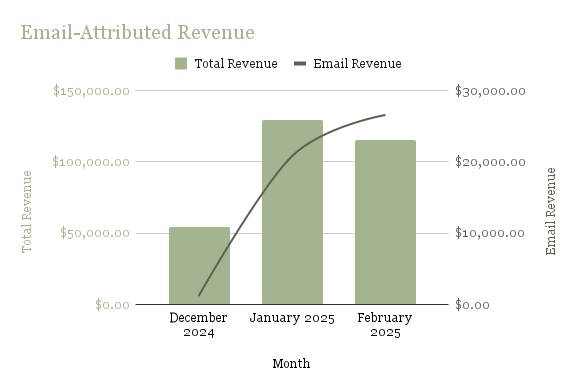
Defender Safety knew that email marketing could be a profitable strategy. All they needed was a dedicated team to make it happen. 97th Floor handled every component of email, from segmentation to technical design, to produce substantial revenue increases for Defender Safety.
Organic backlinks are links from other websites that point to your pages because your content earned their attention. These links come from genuine editorial interest, not payment, link schemes, or automated tactics.
This makes them especially valuable: each link signals that your content brings something new, relevant, or useful to the industry. Search engines use these signals to evaluate trust, relevance, and authority across your site.
Organic backlinks play a critical role in long-term SEO growth because they strengthen your entire domain, not just a single page. When reputable sites link to your content, search engines recognize your brand as a trustworthy source, which boosts domain-level authority and lifts keyword rankings across competitive categories. Beyond visibility, these links also enhance your brand’s credibility within the industry and create momentum for future content to perform even better. The more relevant and high-quality backlinks you earn, the more your entire site benefits.
Manual, one-off link building campaigns are essential for going after specific "money" pages and keywords, especially for long-tail keywords with less competition. Guest posting can help in these individual URL scenarios, but this won't boost overall domain authority.
Your best play for a massive website is to run large link-building campaigns. We’re recommending full-funnel brand awareness campaigns that will earn organic links as you pull tons of visibility. But these aren't simple:
There's no formula for making these campaigns happen, but these principles put you in the best place for success.
Be curious. Ask yourself question and go through the mental exercise of finding insights in data. These link building opportunities will not arrive pre-packaged. Be constantly exploring Ahrefs' Content Explorer, Google Analytics, or any other source of valuable data. We recommend scheduling time daily or weekly to do this.
Sam Oh, VP of Marketing at Ahrefs, has great advice for SEOs ready to get started with this practice: "SEOs should be regularly looking at really good data sources and asking themselves, what’s happening here? And why did it happen? You might not always have the right answer. You might not figure anything out for the first week. You just feel like you're looking at numbers and letters, but you are exercising that muscle of exploration and curiosity. Then all of a sudden connections start to make sense. We have everything in front of us and that data is painting a story that can inspire creative link building opportunities."

The heart of any successful marketing campaign is audience.
You need a pure and dedicated understanding of your audience so that you know what they care most about and can create link building campaigns combining this persona knowledge with current events and opportunities. This is where all of 97th Floor's strongest brand and linking campaigns have come from, including this one for sleep-deprived parents.
SITUATION
Our Mattress Industry Client (MIC) is an American mattress and bedding brand. At its launch in 2010, MIC was among the first online, bed-in-a-box companies to disrupt the brick-and-mortar industry.
MIC approached 97th Floor to increase organic reviews and organic market share for the online sleep space. While they do sell 3 main mattresses, they also sell bedding (blankets, pillows, duvets, etc) and other sleep-related products (furniture, noise-canceling machines).
MIC wanted their blog to generate more revenue from the high traffic numbers they were seeing. The sleep space is full of very competitive keywords which made this all the more challenging.
STRATEGY
"Sleep deprivation" is found in headlines everywhere. Large mattress companies pay lip-service to better sleep, but really only focus on getting you to upgrade your mattress.
Our teams decided to focus on possibly the most sleep-deprived group of all: parents.
With MIC, 97th Floor decided to shift the messaging by helping parents prioritize their rest and recovery so they can spend more time focusing on their family.
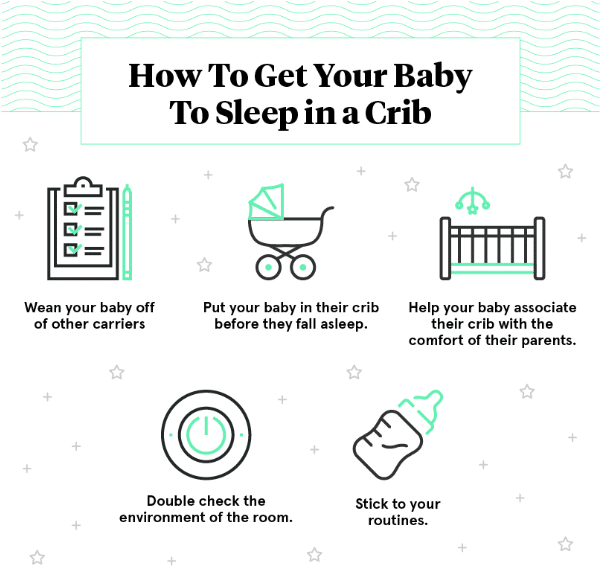
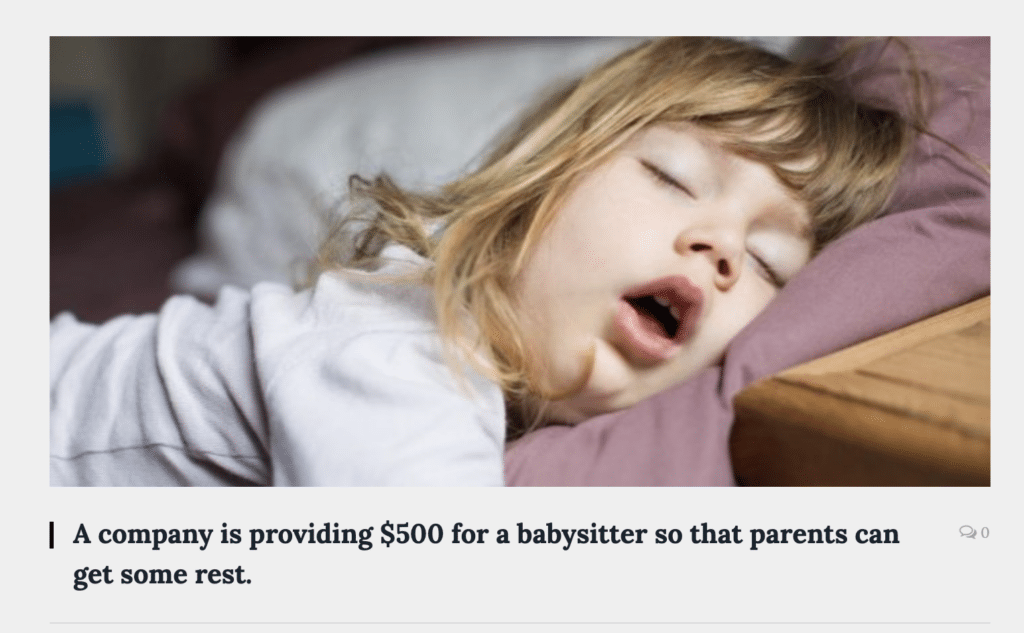
To accomplish this, we launched a Sleep Ambassador Program — a program where MIC would actually pay a select number of parents to improve their sleep health.
Of 331 applicants, 8 were selected. Aside from products to improve their sleep, each ambassador received a 1:1 sleep consultation with an expert and a personalized Sleep Course.

97th Floor teams then wrote 60+ newly researched, written, and designed blogs, infographics and micrographics to support parents in getting better sleep. Each piece of new content was informed by keyword research and optimized for maximum ranking and traffic potential.
Our teams created copy and design for 17 social media posts for MIC to use, and social media strategy and requirements for the ambassadors and influencers partnering with MIC for the campaign. Three separate email funnels and paid promotion and Linkedin and Meta boosted awareness and nurtured leads.
To increase the reach of this campaign, 97th Floor teams fulfilled outreach to a list of 2,000+ news media, websites, local media and blogs.
RESULTS
By taking an audience-centric approach and leaning into the power of earned media, this campaign won our client 100+ organic backlinks from authoritative and relevant websites.
And that's not all. MIC also benefited from:
You need a group who understands the value of SEO that you can bounce ideas off of. This may include SEOs, but you can also extend this group to your PPC counterpart, to someone in development, or to a highly-supportive leader.
Get everyone looking at the data and exploring opportunities.
Sam Oh says it's best to "Refine your backlink-generation ideas with a small team of people who understand the value of SEO. This process filters out less impactful ideas, and the buy-in from the individuals involved increases the likelihood that your best ideas will ultimately see execution."

SITUATION
eFileCabinet is a document management SAAS company that takes the pain out of complex filing and digitizing processes. Their software is cutting-edge and intuitive, but the document filing industry is stale.
eFileCabinet hired 97th Floor at a time when their stagnant market share was shrinking daily. Without a single marketing professional to manage the crisis, 97th Floor became the company's chief marketing force.
STRATEGY
After extensive customer research, 97th Floor teams built four target personas. We then synchronized all digital channels to target these personas, including intent-based keyword SEO campaigns; PPC on Facebook, LinkedIn and search; and content audits leading to new ebooks and blog posts. We built strong Hubspot workflows for the leads coming from this omni-channel strategy.
Our omni-channel campaigns were a success, but when eFileCabinet expressed that their trade show presence has been a little lackluster, we took that to challenge.
We dove back into personas to find out what would excite this audience. Our idea was simple: we would set up a room packed with old office equipment and a sledgehammer. Before handing these professionals the hammer, we would collect their information in Hubspot. Attendees were then unleashed to beat the ink out of printers, monitors, fax machines and copiers. In the background, Hubspot nurtured these new leads.

Our final deliverables for the campaign included:
RESULTS
The Rage Cage would go on to be an award winning campaign that would drive the highest influx in MQLs in a single month, which contributed to the following:
Not bad for one tradeshow, right?
97th Floor teams don't think in terms of tactics or services. What eFilecabinet needed was an omni-channel campaign supported by content, ads, creative, and SEO. By integrating all of these capabilities, SEO received a considerable lift as one component of this brand awareness campaign.
Organic search has continued to compound its success since we started with eFilecabinet. In the past year, leads brought in by organic traffic increased by 281%.
Want more? Here are seven link-building tips from our SEO experts.
Advanced Strategies for Scaling Backlink Acquisition
Still curious about backlink acquisition Here are seven advanced link-building tips from our SEO experts. These require a little more technical expertise to execute, but will yield great results.
Scaling your backlink strategy requires going beyond basic link-building techniques. To achieve substantial growth, you need to integrate multiple tactics and maintain a consistent focus on quality and relevance. Here, we’ll explore seven strategies for acquiring organic backlinks at scale, ensuring your website achieves a robust link profile.
By implementing these advanced strategies, you can scale your backlink acquisition efforts, ensuring your website benefits from a strong, diverse, and high-quality link profile. Consistency, creativity, and a focus on value are key to building sustainable organic backlinks that drive long-term SEO success.
Not all backlink tactics push your strategy forward. In fact, some can severely damage your long-term authority. Buying cheap backlink packages, overusing exact-match anchor text, or submitting your site to low-quality directories may seem like shortcuts, but they often trigger spam signals that weaken your domain. Link exchanges, private networks, and irrelevant guest posts can have the same effect, creating a backlink profile that looks manufactured rather than earned. Sustainable organic backlink growth happens when you prioritize consistency, relevance, and editorial value over quick fixes. By steering clear of risky tactics, you protect your authority and set the foundation for a strong, trustworthy link profile that compounds over time.
Building organic backlinks at scale takes creativity, insight, and a coordinated strategy that aligns content, PR, and audience behavior. When every channel works together, your brand earns the kind of editorial links that strengthen authority and drive long-term growth. If you’re ready to take your backlink strategy beyond the basics, 97th Floor brings the experience, data, and creative horsepower to help you make it happen. Let’s build something remarkable.
Preloved is the original rent-a-booth thrift store, offering sellers and thrifters an asynchronous, in-person marketplace.
Preloved is a franchise business, and they come to 97th Floor in preparation for a new location opening.
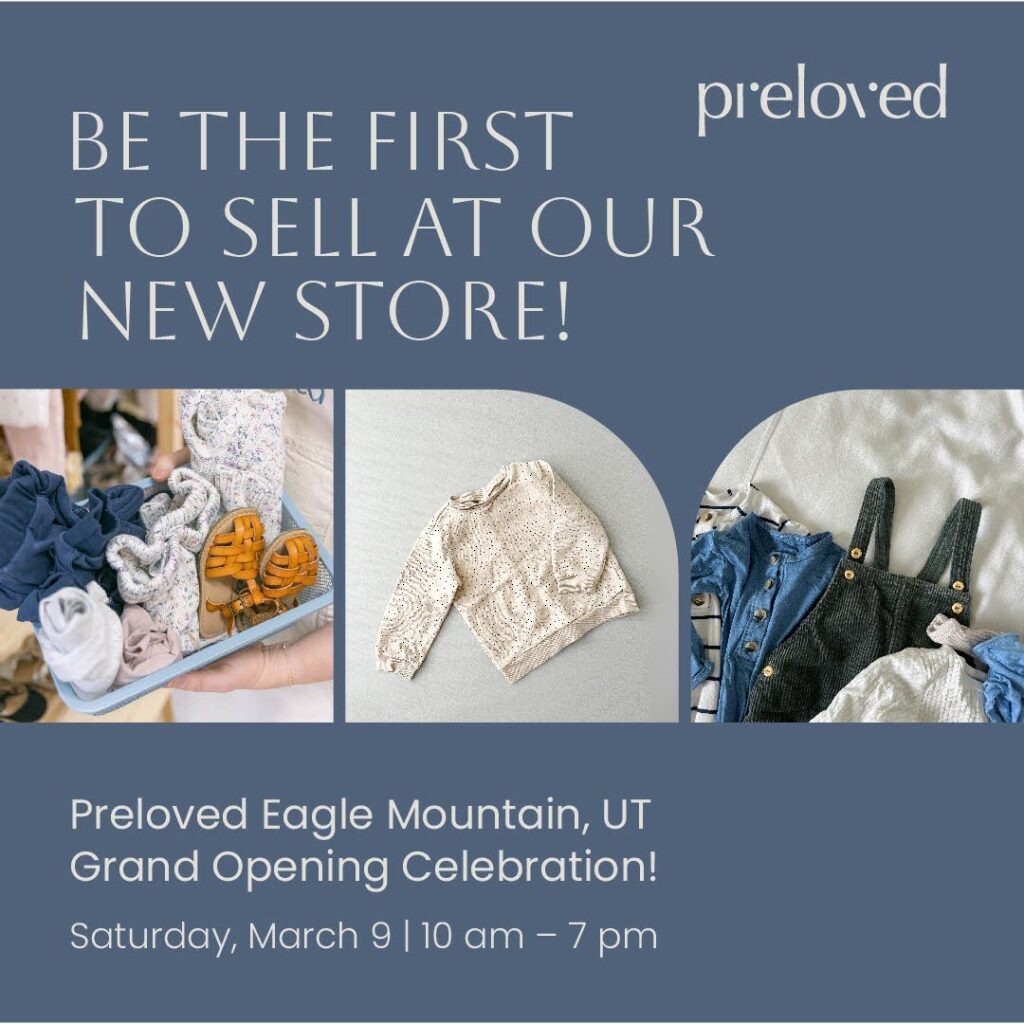
To prepare, 97th Floor built a persona-focused content strategy, including two weeks of targeted ads and organic post blasts on Facebook and Instagram. The campaign goals included booth bookings and awareness.
To date, the new location has been the #1 best grand opening for preloved both in terms of attendance and sales dollars. The campaign resulted in 21 bookings from Facebook advertising, a 1.57x ROAS, and a 428% increase in organic reach on Instagram.
1st Phorm is a leading supplement company committed to producing quality products for fitness performance.
1st Phorm partnered with 97th Floor to increase profitable traffic to their site, and 6 years later the relationship is as strong as ever.
Through strategic optimizations, 97th Floor increased traffic to high impact /collections and category pages that drive real organic revenue.
Executing on intentional strategies focused on profit has paid out massively.
73% Increase in organic revenue
/collections/protein-bars saw a 98% increase in organic sessions (1.9K vs 3.8K)
/collections/mens-fat-burners saw a 6% increase in organic sessions (1.5K vs 1.6K)
1st Phorm’s organic traffic is actually at a 12% decline, while revenue is increasing at 73%, showing that the team is putting their efforts where it matters.
97th Floor is effectively addressing this with a strong blog strategy that is pulling in organic traffic to the blog at a 47% increase YoY.
Meta ads win or lose on creative. Your targeting and budget can be flawless, but if the creative falls flat, the campaign fails. Sharpening your ad creative is one of the highest-return moves you can make on Meta. Strong creative catches attention in a crowded feed, tells a story quickly, and drives action. Any brand can apply these practices to improve performance.
At 97th Floor, we build and test Meta ad campaigns that deliver measurable ROI. These are the Meta creative best practices we see work time and again, backed by real examples you can learn from.
Let’s get into it.
Because they compete on design and emotion, luxury brand ads are great examples for creative execution. As a matter of fact, Meta is basically the only place many luxury brands are putting their paid media dollars. A smattering of ad budget goes to display ads or YouTube, but well over 75% of luxury brands' advertising efforts happen on Facebook and Instagram.
We’ve pulled Meta ads from ten luxury home brands to see how they’re pairing copy and imagery to entice their buyers.
Use these ads and our analysis as inspiration for your own Meta ads; there’s lots to think about here.
You’ve got a second—maybe less. That’s how long your ad has to earn a pause in Meta’s feed. One way to stand out is to create depth in your visuals. It makes static imagery feel more alive and immersive, pulling the viewer in instead of letting them breeze past.
Nearly all of Arhaus’ product photography, including the images in these ads, uses light and shadow to create dimension. The effect is that we can’t help but imagine what the rest of the room must look like – what must be causing those shadows – and it’s breathtaking.
The ad copy further transports us; it’s hard not to feel a warm breeze and hear the chatter of friends and neighbors.
With both imagery and copy, Arhaus’ Meta ads have us daydreaming about the possibilities a new outdoor set can introduce.


Busy feeds are packed with loud colors and visual overload. Sometimes, the most effective creative is the quietest. Giving your product room to breathe with negative space draws the eye and signals confidence. It says, “This is the whole story, and it’s worth a look!”
Instead of staging the pieces as in a home, Maiden Home’s elegance and beauty is presented uncluttered and unadorned, inviting audiences to carefully inspect the shapes and colors at play.
In these examples, the chairs are intriguing enough that standing alone is the only way to do them justice. The pieces make us curious, and the simplicity of the ad compels a click.


Authenticity wins attention on Meta, and nothing says real like content from actual customers. Showcasing your product in real homes or hands builds credibility and sparks ideas for viewers imagining the product in their own lives.
Castlery proves their products’ versatility by featuring the homes of real buyers in their ads. By showing actual living rooms of delighted Castlery shoppers, the ads supply both social proof and styling inspiration for a wide range of homeowners and decorators.


Flat visuals blend in and get forgotten. Using layered colors, tactile textures, and bold materials makes your ad feel more dimensional, more physical, and more emotional. In a fast-scroll environment, that emotional hook matters more than polish.
Giorgetti’s ads feature rich colors and a mix of interesting materials. The spaces feel out of a biopic about a brilliant musician or a mysteriously wealthy young person. We’d love to know what the fabric and the walnut talk about; we’d love to pull those pieces right off the screen and into our front room. Girogetti’s photos and copy promise audiences a “unique and personal” experience that immediately feels natural and inviting.


Want instant relevance? Tie your creative to something your audience is already thinking about. Whether it’s a pop culture moment, a viral trend, or an awards show red carpet, aligning your product with the conversation earns quick attention and clicks.
In this Meta ad, Koket highlights the similarities between Lana del Ray’s Met Gala gown and Koket’s side table. The two are remarkably alike! Whether their Met Gala-inspired Meta ad was a stroke of luck or a careful analysis of the evening’s attire, we’ll never know. Is there an audience match here? Do Koket shoppers love Lana? Not so sure. But perhaps Koket’s audience is abuzz about fashion, design, and what the A-listers wear. Not too much of a stretch, is it?

Words shape perception. If your copy says “elegant,” your visuals better deliver on it. Great Meta ads use language that complements the look, feel, and energy of the product being shown, creating a seamless experience between what’s read and what’s seen. The words and images used in Rove Concept’s ads promise what luxury furniture should provide: sophistication – in your home office, on your balcony, and everywhere else.


Product specs are forgettable. Stories stick. When your copy hints at a journey, a person, or a place, your ad becomes more than just a sales pitch. It becomes an invitation into a narrative your audience wants to join, or better yet, buy into.By giving its audience a few examples of what these stories may be and referencing their globally-sourced products, Currey & Company promises eclectic and delightful pieces without all the tariffs and bubble wrapping that accompany a purchase, and without an online cart. The copy here brilliantly matches the unusual pieces shown in the photos, and we imagine most people are interested in a ceramic cow, truly.

Sometimes the best way to sell a product is not to sell it at all, at least not right away. Ads that offer help, tools, or personalized advice can win trust faster than a discount ever could. Especially in cluttered categories, utility becomes a real differentiator.
Lulu and Georgia Meta ads sell furniture by offering free design support. Clever, ehh? Their Meta ads offer custom floor plans and mood boards made by Lulu and Georgia designers, which we’re confident will be full of Lulu and Georgia rugs, end tables, couches, and decorations. The ad copy here could’ve gone a little farther to exaggerate the pain point: trying to curate a beautiful space is a lot of work. Especially if you’re working off of a Pinterest board on which half of the links to that dreamy chandelier or pinstripe curtain set are missing or broken. Lulu and Georgia could ramp up the language around their unique selling point to strengthen these ads, but we applaud the strategy here.


Your audience isn’t just buying a product; they’re solving a personal need. If what you offer can be tailored to fit them perfectly, lead with that. Customization on Meta is an opportunity to show that you really get your customers. Interior Define’s ads invite their audience to take the designer’s seat and build bespoke furniture, choosing from hundreds of materials, features, and finishes. Surprisingly, the ads don’t focus on the boast of owning one-of-a-kind pieces. Instead, their advertisements offer help and a solution for shoppers who feel they’re never satisfied. Interior Define says, “Don’t settle.” Well, except into your custom couch, I suppose.


The right backstory can instantly elevate your product. Whether you’re born from a famous collab, a niche community, or a cultural hotspot, tying your brand to its origin story builds instant trust and makes your product feel more worthwhile.
The Soho Houses are a collection of beautifully designed homes dotted across the globe as safe havens of inspiration for members-only creatives. Soho Home came to life when guests came begging to know where they could purchase the magnificent pieces curated for each unique House.
As a consequence of this opportunistic arrangement, Soho Home pieces seem bespoke and almost necessary for a creative and inspired space. Their pieces are automatically associated with exclusivity, travel, and the arts. We’d mention the Soho Houses in every one of our Meta ads, too.


Meta Creative Testing and Optimization
Creative fatigue means wasted spend. Even the strongest ad will lose its edge if shown too often. Testing your creative isn’t an optional thing; it’s the backbone of sustainable Meta ad performance.
Use A/B testing to compare different visuals, headlines, CTAs, and copy angles. Meta’s built-in tools like Experiments and A/B Tests make it easy to isolate variables and track results. Don’t just test once; keep testing on a rolling basis. The goal is to find what works now, not what worked last quarter.
Tip: Test early and often, but don’t test everything at once. Focus on one change at a time so you know what’s actually making a difference.
No matter how good your strategy is, the wrong creative can tank performance. Here are a few of the most common mistakes we see on Meta:
The simple fix is to think like your audience. Would you stop to read your ad?
At 97th Floor, our advertising specialists are committed to a thorough process of audience research and ad testing. We fine-tune copy, creative, and targeting until everything is just right and our clients are getting the maximum return on investment.
See how an audience-first approach translates to bottom-line results.
Clean Origin is a third generation diamond jewelry company that specializes in lab grown diamonds that are ethically sourced. Its designs use only ethically created and conflict-free lab grown diamonds, which reduces water and energy use, land and mineral disturbance, and carbon emissions. Its mission is to keep diamond history on the right track.
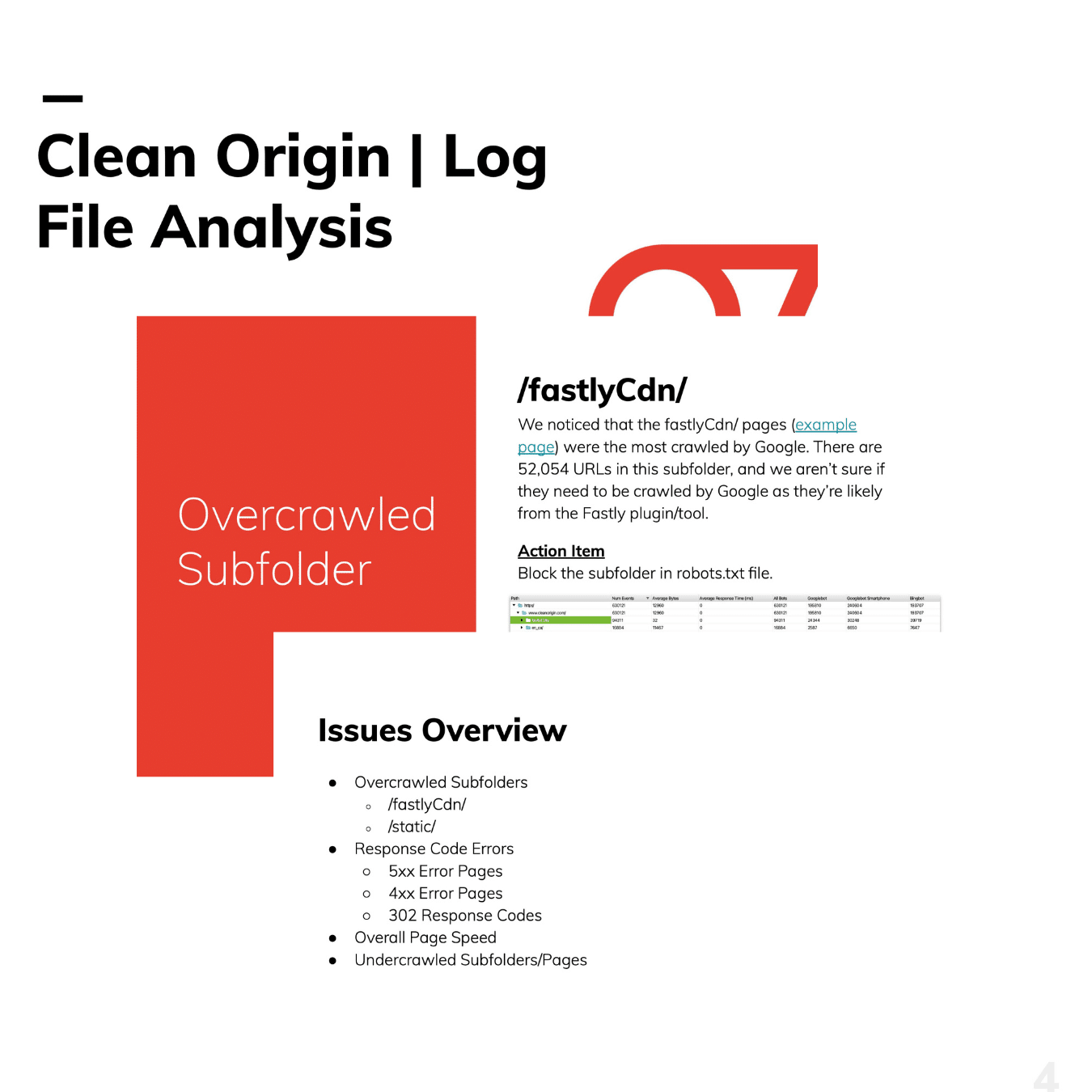
Clean Origin is a unique eCommerce company in that each product page is completely unique to match the uniqueness of each of their diamonds. Thus, pages were created and deprecated on a frequent basis—making it extremely difficult to build page equity and avoid crawlability issues. We needed to build a process to more effectively manage the incoming and outgoing pages, as well as Google’s understanding of the website.
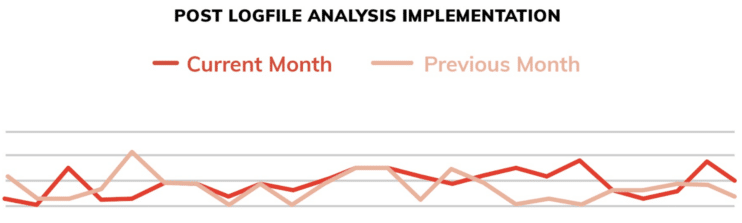
Audits uncovered indexation irregularities that typically signal a crawling issue. We ran a series of log file analyses to improve Google’s ability to recognize fixes and reward the site accordingly.
This ultimately revealed a series of additional technical challenges that once resolved, allowed the site to be crawled more frequently and more accurately.
In a remarkable 30-day period, Clean Origin witnessed astounding results from the technical SEO enhancements implemented. There was a significant 25% increase in organic eCommerce revenue, reflecting a stronger online market presence and sales performance. Their eCommerce conversion rate rose by 19%, and eCommerce transactions increased by 26%.
Blendtec, a pioneer in blending technology, is renowned for its powerful and innovative blenders, catering to both home and commercial users with a focus on cutting-edge design and performance.
By pairing a new blade design with a vicious motor, the Blendtec blender revolutionized home blending. After some initial success of its famous "Will It Blend" campaign, Blendtec's conversions fell. They needed content strategies that could drive increased site traffic, engage visitors, and boost brand awareness.
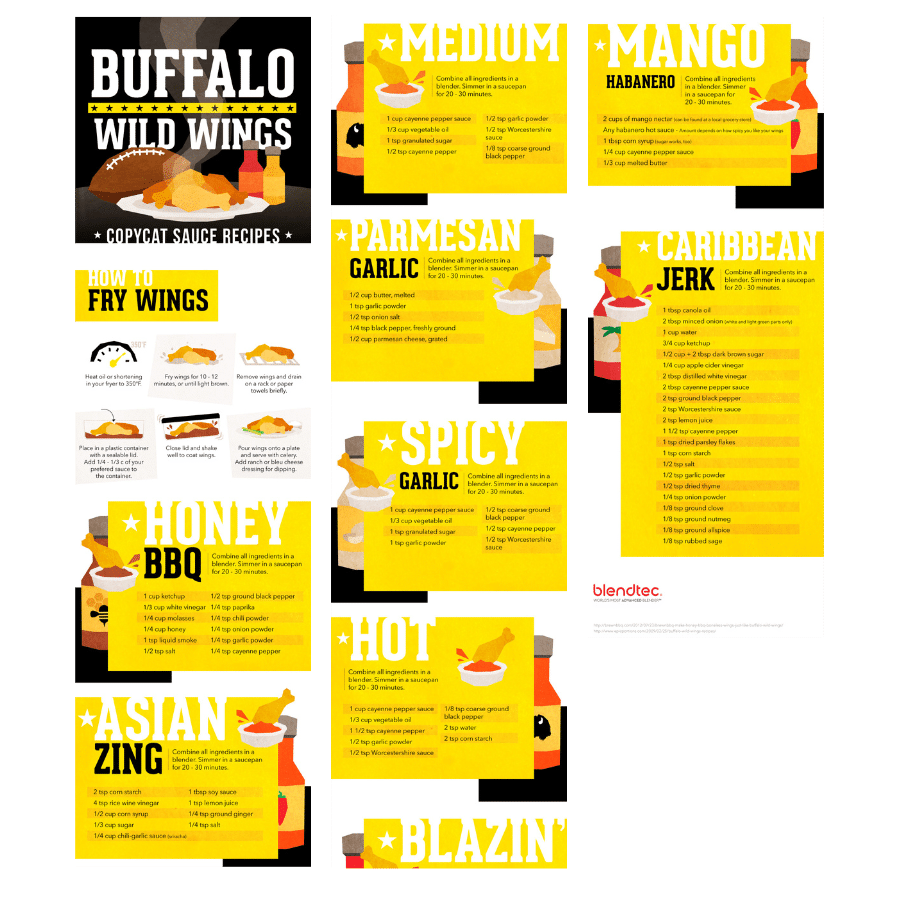
Using in-depth audience and keyword research, 97th Floor hunted down the best opportunities to connect with Blendtec’s prospective buyers.
Their research revealed a clear overlap between blender shoppers and Buffalo Wild Wings enthusiasts.
Recognizing the audience's love for replicating BWW sauces, 97th Floor developed the best blender copycat sauce recipes. These were then built into an eye-catching infographic that their audience could share out to boost immediate and long-term brand awareness.
The Buffalo Wild Wings Copycat Sauce Recipes infographic absolutely exploded onto the scene delivering incredible results. The campaign led to a 23% increase in referral traffic, a 73% boost in organic traffic, and over 55,700 shares on Pinterest. These outcomes translated into a significant boost in revenue for Blendtec.
Tuft & Needle is an American mattress and bedding brand. At its launch in 2010 T&N was among the first online, bed-in-a-box companies to disrupt the brick-and-mortar industry.
T&N approached 97th Floor to increase organic reviews and organic market share for the online sleep space. In addition to their 3 main mattresses, they also sell bedding products (blankets, pillows, duvets, etc.) and other sleep-related products (furniture, noise-canceling machines).
They wanted their blog to generate more revenue from the high traffic numbers they were seeing. The sleep space is full of very competitive KWs which made this all the more challenging.
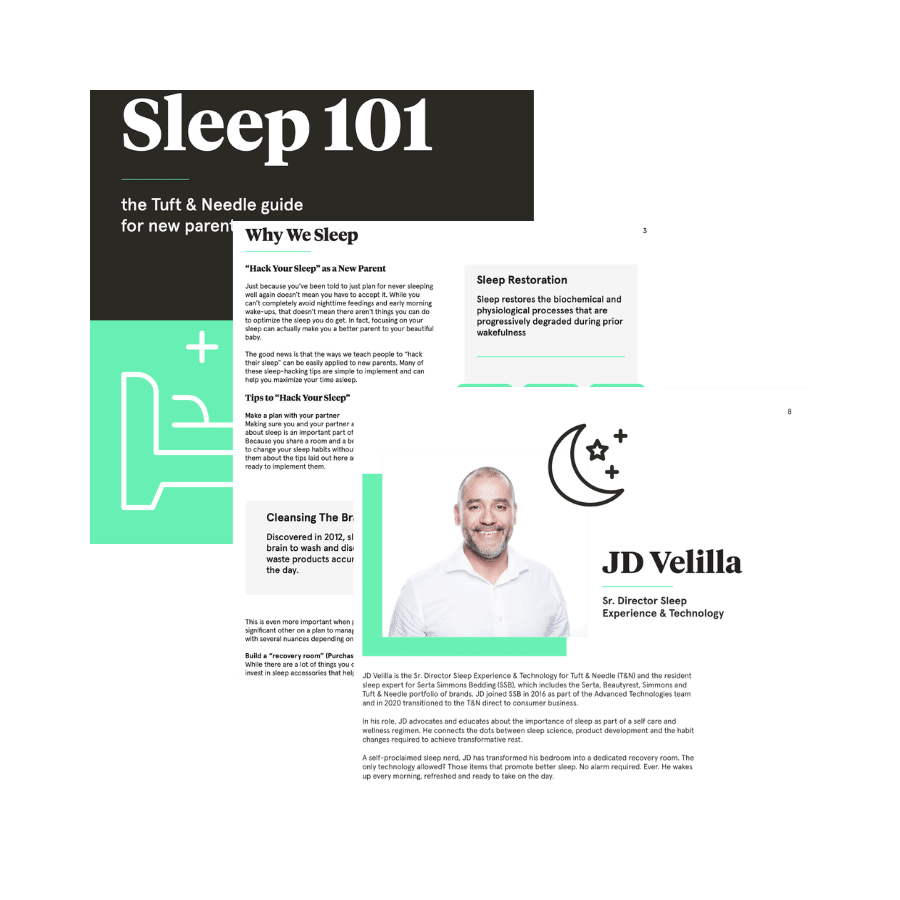
To address the prevalent issue of sleep deprivation on their blog, especially among parents, we partnered with T&N to refocus the sleep conversation. Understanding that mothers and fathers lose significant sleep in the years following childbirth, with only 10% getting the recommended rest, we saw an opportunity for impactful change.
Our response was the Sleep Ambassador Program, selecting 8 from 331 applicants to receive sleep enhancement products, expert consultations, and personalized sleep courses. Complementing this, we produced over 60 resources including blogs and infographics, all aimed at helping parents achieve better sleep.
Tuft & Needle saw a 57% increase in revenue compared to the same period the previous year. In addition, there was a 35% rise in total transactions. The campaign's reach was further amplified through social media, garnering over 529 million impressions in just 3 and a half weeks.
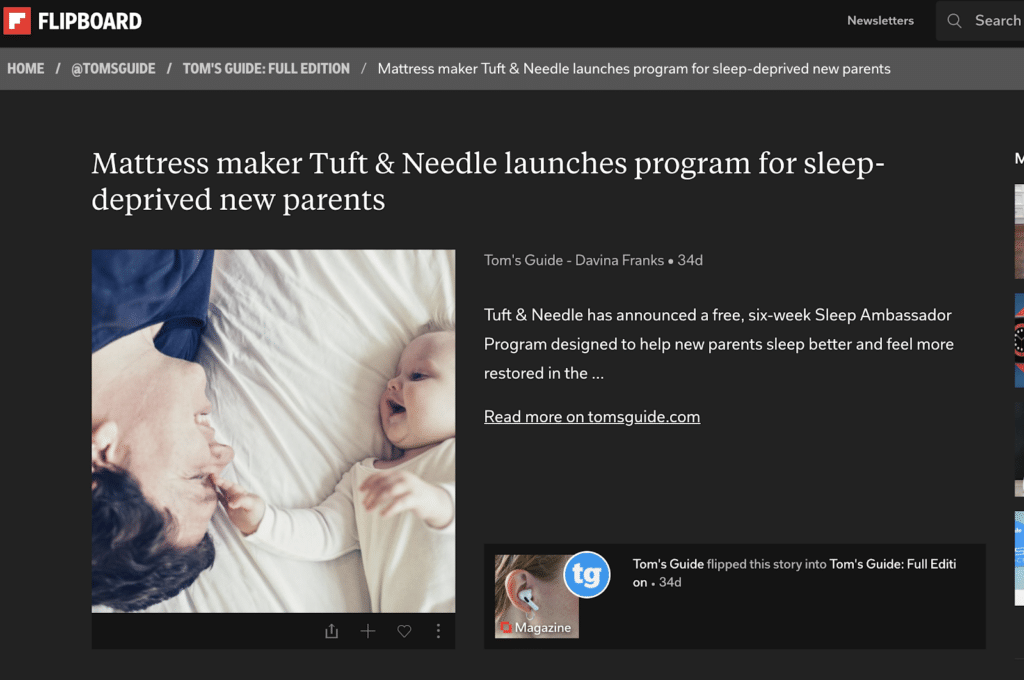
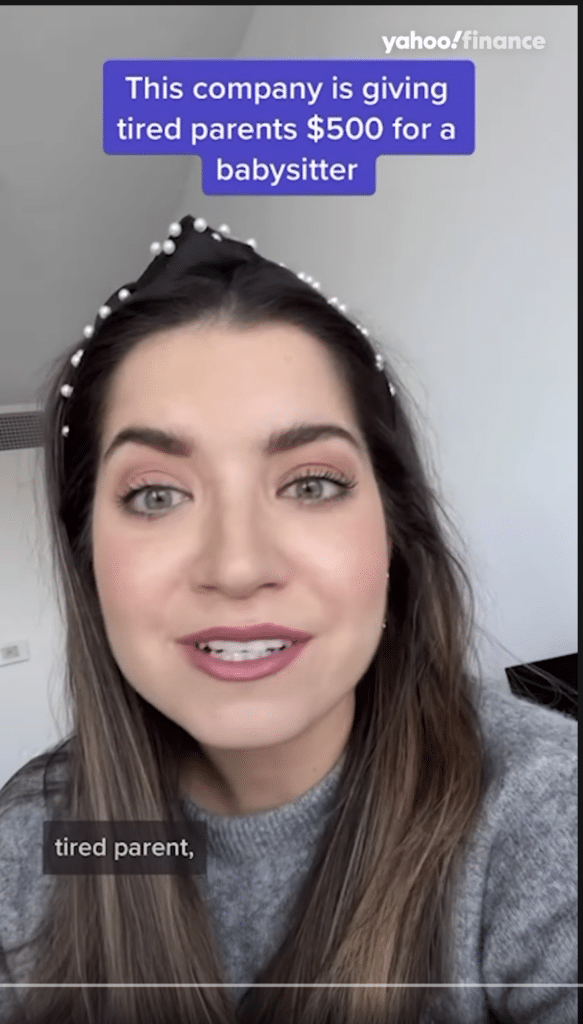
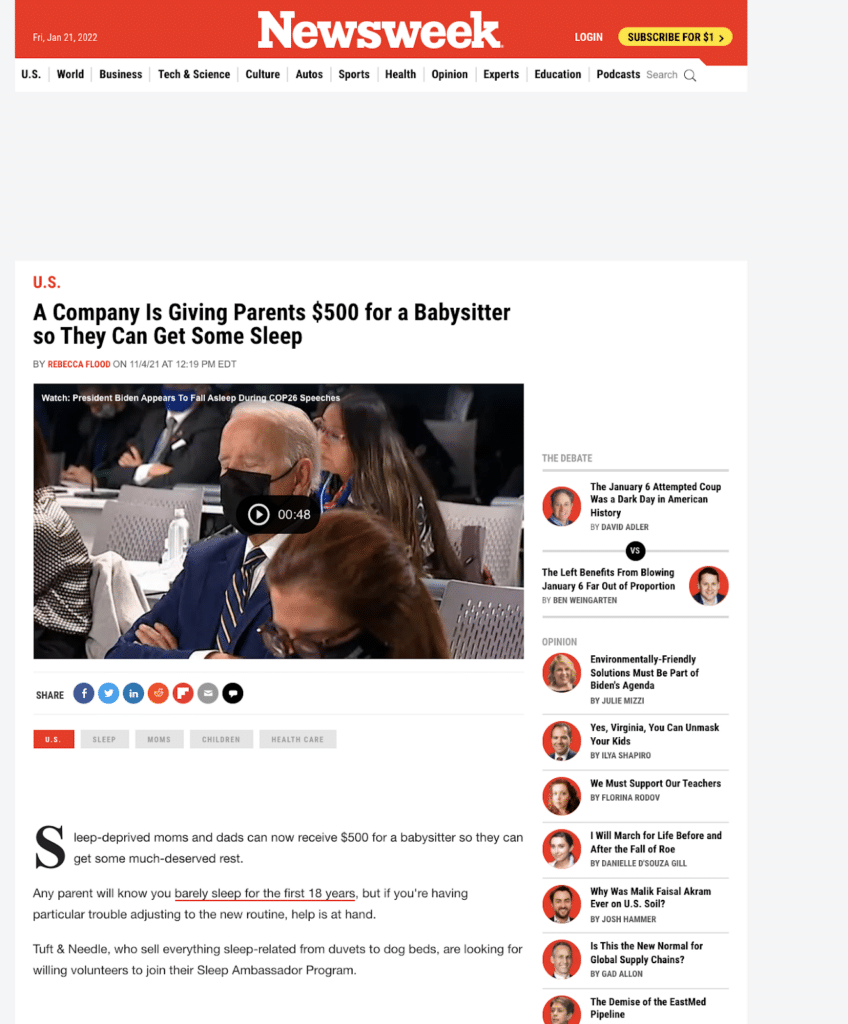
This extensive online presence was complemented by 93 unique earned media impressions across prominent platforms like Newsweek, MSN, Yahoo Finance, Tom’s Guide, Trend Hunter, and various CBS and ABC affiliates, showcasing the campaign's widespread recognition and impact.
Zhou Nutrition is a supplements company committed to combining nature’s nutrients with science-backed formulas, offering a line of clean supplements to support an active lifestyle.
Zhou Nutrition’s products were about to perform a geographic test-launch in Target. In order to show their worth to the retailer, Zhou Nutrition wanted to boost sales not only through e-commerce, but also in-store Target, a digital campaign that can be challenging to track.
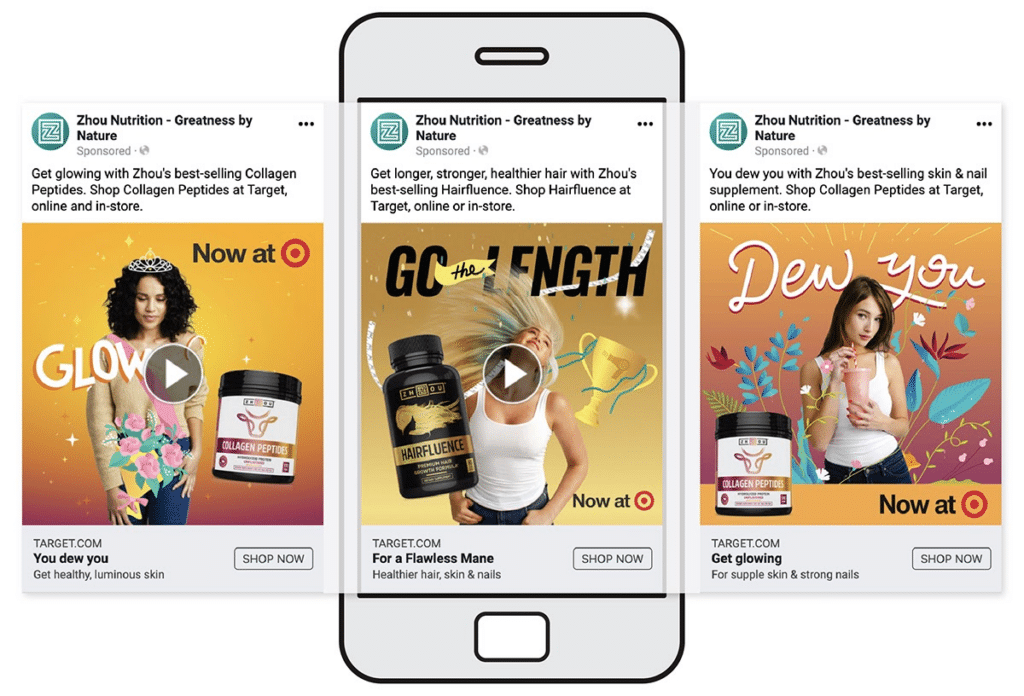
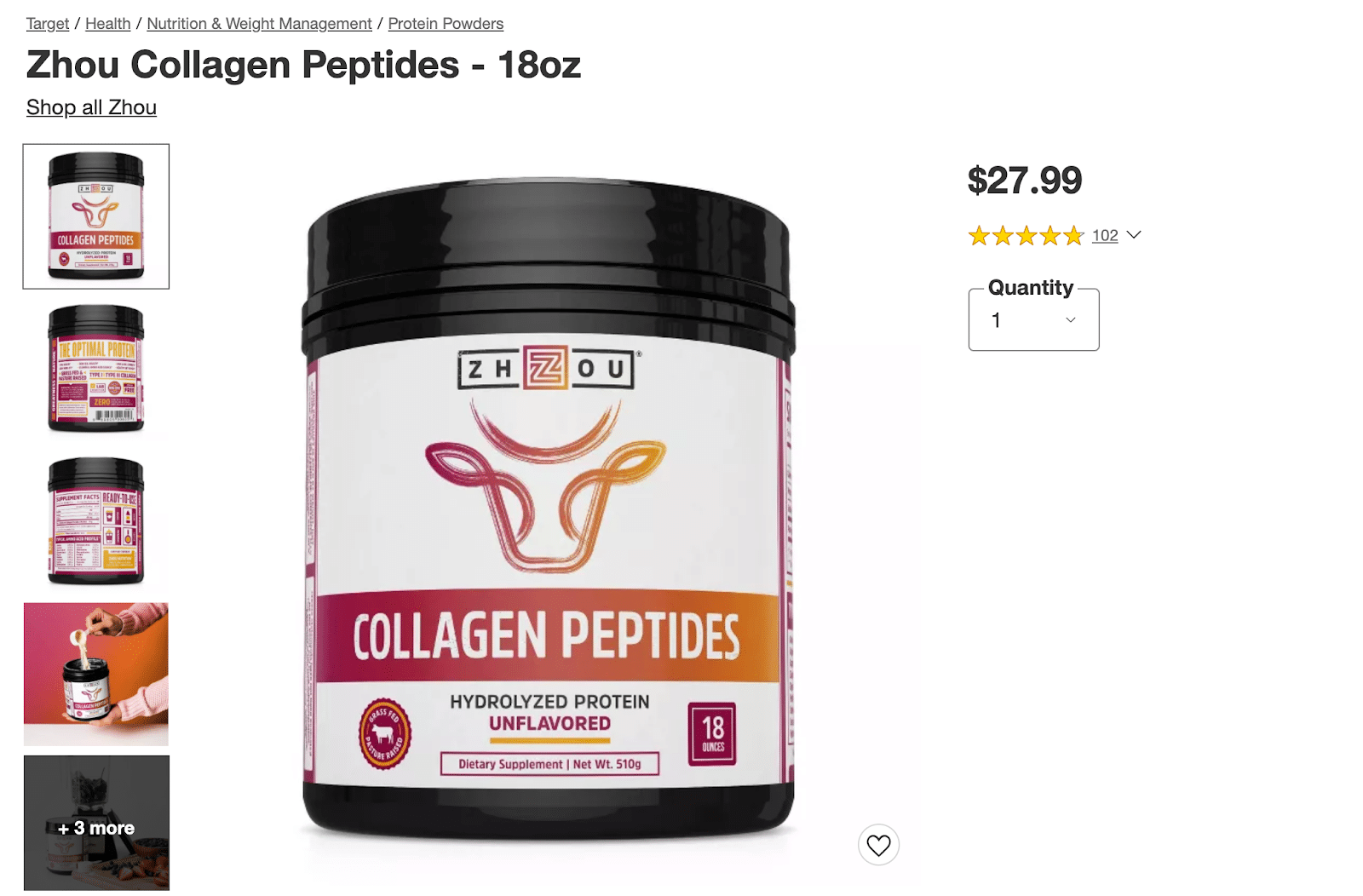
97th Floor targeted 430+ stores and created 160+ ad sets. As part of these ad sets, we targeted those individuals that lived or were recently in an area around the stores that Zhou’s products were in. $30,000 in ad spend was budgeted for these 433 locations meaning that each location only got $4.62 in daily ad spend.
In addition to this geotargeting, we retargeted women who were on customer purchase lists we got from Zhou and we also created a lookalike audience from those lists.
As the campaigns were running, we further optimized them by identifying underperforming stores & locations, shutting off low performers, and re-allocating budget from low performers to top performing segments.
These launched campaigns and optimizations resulted in week-over-week improvements in click-through rates and costs-per-click. Partnering with Zhou Nutrition’s partner at Target, we were also able to track improvements in foot traffic and in-store sales at Target.
Zhou Nutrition’s geo-targeted Target campaigns yielded profitable sales for Zhou Nutrition, while also leading to increases in non-Zhou Nutrition products, thus strengthening the relationship with Target.
EOS is a beauty and skincare company that uses playful design, sustainable ingredients, and delicious flavors to deliver products that feel like a treat for their consumers.
EOS is a highly creative brand with fun content, but when they came to 97th Floor they weren’t leveraging their audience to maximize website conversions. EOS needed real customer personas, a well-defined buyer journey, and an massive increase in awareness.
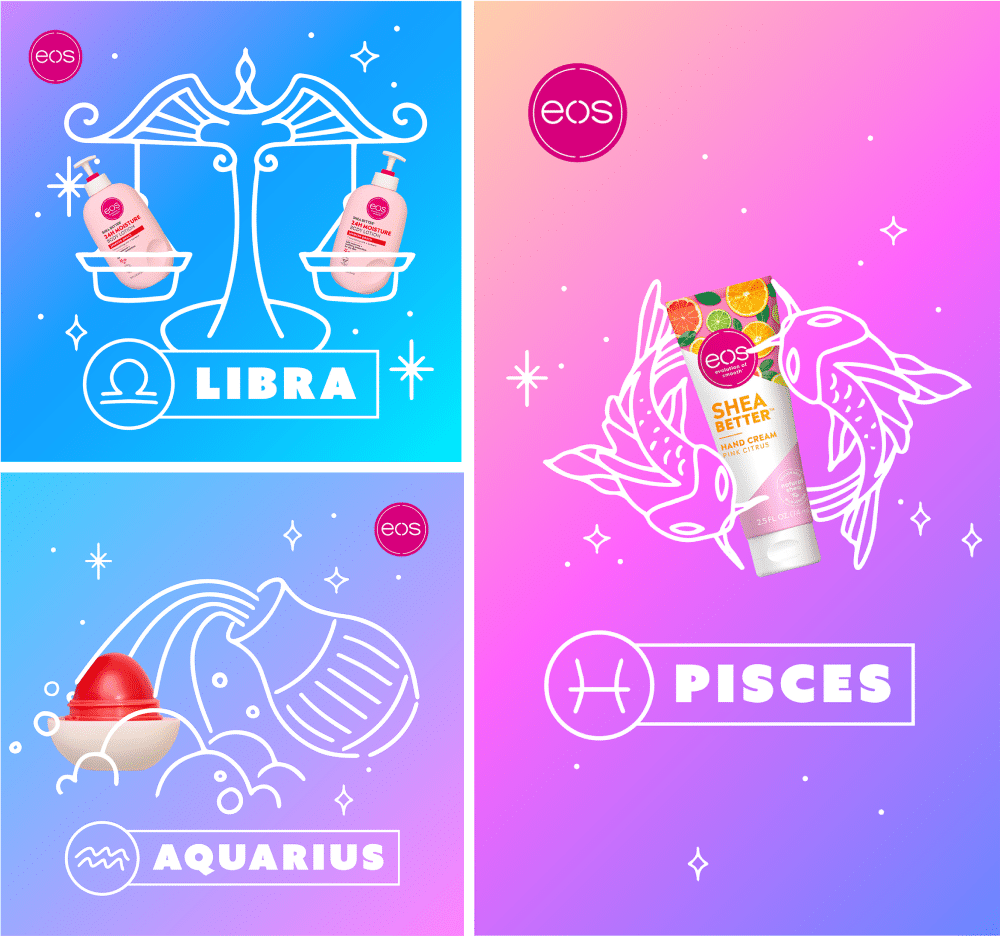
Using a series of tools and customer data analytics, 97th Floor built five EOS consumer personas. Each persona included personality traits, concerns, risks, influences, an analysis of the buyer’s current status with EOS, and solutions for improvement.
This in-depth analysis led to a full-funnel strategy, including launching on new platforms. Our research also inspired us to craft persona-focused messaging. For example, our discovery that certain personas were interested in astrology led to an entire zodiac signs campaign and targeting based on birth month.
This small but powerful insight paired with gorgeous, intentional design made for incredible performance.
When first launched, we only spent 4.1% of our Facebook budget on Zodiac ads. Despite that, 42.5% of EOS' total purchases came through Facebook during that time. These ads drove action with the highest volume of purchases and the highest historic ROAS. They encouraged engagement with 22.9% of our Facebook comments and 10.1% of our Facebook shares. Due to high performance, we allocated more budget for these ads.
